10 Tips for Buying Solid Wood Dining Tables

Choosing solid wood dining tables involves more than picking a color that suits your room. The right table should fit your space, daily routine, and expectations for maintenance. Wood species affect grain, hardness, weight, and price; oak, walnut, and maple each bring different qualities. Construction matters just as much. Look closely at the joints, tabletop thickness, leg stability, and how the finish feels beneath your hand. Small details count.

Measure the dining area before shopping, allowing room to pull out chairs and walk around the table. A beautiful piece can feel cramped in a narrow room. Check whether the tabletop is made entirely from solid wood or combines solid boards with veneer or other materials. Ask the seller about wood sourcing, finish care, and the table’s construction. Clear answers help you compare options with confidence.

Solid wood responds to changes in humidity, so seasonal movement is normal rather than automatically a defect. A glass of water left overnight may still leave a mark if the finish is unsuitable or neglected. That matters. Consider how often you host, whether children use the table, and how much upkeep feels realistic. Natural grain and small variations are part of the material, not necessarily signs of poor quality. Still, “solid wood” alone does not guarantee careful workmanship. These ten tips will help you weigh durability, design, budget, and everyday practicality before making a purchase.
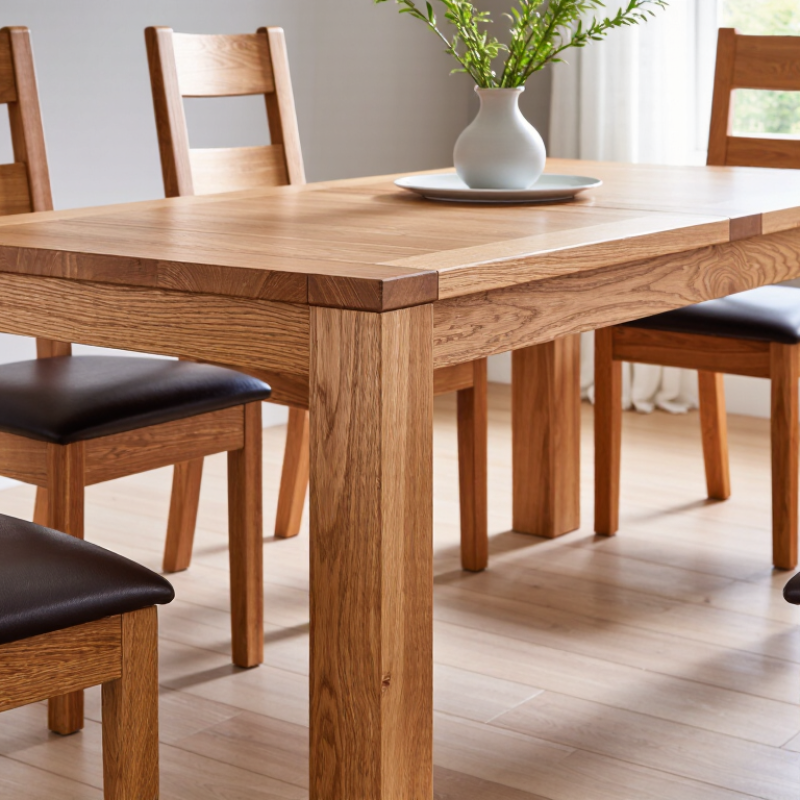
10 Tips for Buying Solid Wood Dining Tables

Identify Solid Wood Species and Construction

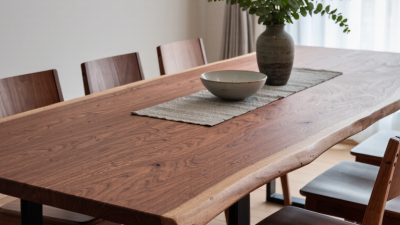
Identify the wood species before comparing appearance or price. Oak often has visible, open pores and pronounced grain; maple usually looks smoother and more even. Walnut can range from warm brown to deep chocolate, but stain can change its color. Look underneath. Check the table’s edges, apron, and underside for grain that continues naturally across the wood. A matching pattern alone is not proof, though: veneers can be convincing, and mixed construction is common.

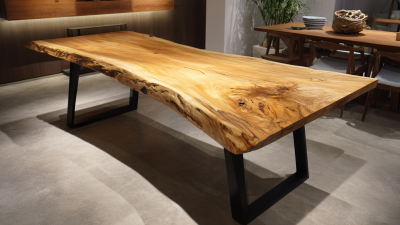
Ask whether the top, legs, and frame are solid wood, and which parts, if any, use veneer or engineered panels. Then inspect how the pieces meet. Tight joints, even gaps, and a stable feel matter more than decorative details. A solid top may show end grain along its edge, while a thin, repeated surface pattern can suggest veneer; neither clue settles the question by itself. Ask directly, and request the species and construction details in writing. Wood also expands and contracts with seasonal humidity, so well-designed joints should allow some movement. I might be tempted to choose by grain alone, but that can overlook uneven finishing or weak joinery. Examine the table in daylight, and run a hand over the edges.

Choose a Table Size and Shape for Your Dining Space

A solid wood dining table should fit the room before it fits your wish list. Measure the clear floor area, then mark the tabletop dimensions with painter’s tape. Pull out a chair at each place setting; the footprint grows quickly. The National Kitchen & Bath Association’s kitchen-planning guidance uses 36 inches as a minimum walkway. Treat that as a starting point, since diners need room to sit and pass behind one another. Measure twice.

Shape changes how a room feels. A round table softens a tight square nook and avoids sharp corners, while a rectangular table often suits a long room. The U.S. Census Bureau’s 2023 American Community Survey reports an average household size of about 2.5 people. That figure can help frame everyday seating needs, but holidays may call for an extendable table. Leave space for the extension before buying. I still find that paper plans can mislead; a taped outline reveals awkward chair paths better. A table that technically fits may still feel cramped. Check the route from the kitchen, too.

Inspect Joinery, Stability, and Surface Finish

Turn the table upside down and inspect how the legs meet the apron. Tight, even joints and well-fitted corner blocks usually matter more than decorative hardware. Look for gaps, glue residue, or screws pulling at an angle. Then press gently on opposite corners. The table should not rock or creak on a level floor. If it does, ask whether the legs or frame can be adjusted; a thick top cannot compensate for a weak base.

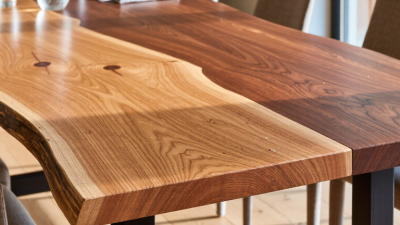
Run your hand across the top and inspect it in side light. A smooth finish should feel even, without rough patches, bubbles, or sharp ridges around the edges. Check beneath the table, too, for unfinished areas that may respond differently to indoor humidity. The USDA Forest Products Laboratory’s 2021 Wood Handbook reports that wood typically shrinks more across the growth rings than along them; in many species, tangential shrinkage is roughly twice radial shrinkage. That movement can stress joints and finishes as humidity changes. Look for stable construction that allows some seasonal movement, rather than a top rigidly fixed across its width. A showroom can hide a wobble. I still find surface gloss easy to overvalue. Don’t let shine replace a careful touch and a stability check.

10 Tips for Buying Solid Wood Dining Tables - Inspect Joinery, Stability, and Surface Finish

Tip What to Inspect How to Check Why It Matters
1. Confirm the wood construction Ask which parts are solid wood and whether any panels use veneer or engineered wood. Check the product description and inspect concealed edges or undersides where construction may be visible. “Solid wood” may describe some components rather than every part of a table, so clear specifications help set expectations.
2. Examine the joinery Look at the connections between the legs, aprons, rails, and tabletop supports. Check that joints fit closely and are free of visible gaps, loose parts, or excessive glue residue. Well-fitted joints help keep the frame aligned under everyday use; the best joint type depends on the design and construction.
3. Test for wobble Assess the table on a level floor, including whether the legs sit evenly. Gently press opposite corners and apply light side-to-side pressure to the tabletop. Movement can indicate uneven flooring, adjustable feet that need setting, or a frame that requires closer inspection.
4. Check the tabletop for flatness Look for pronounced cupping, bowing, or uneven areas across the surface. View the top from a low angle and, if possible, place a straight edge across several sections. Wood changes dimension with moisture and seasonal conditions, but noticeable distortion may affect use and appearance.
5. Inspect the finish closely Check for consistent coverage, rough patches, drips, bubbles, and areas that feel unfinished. View the surface in good light and run a clean hand lightly over it, if permitted. A uniform finish improves the feel and appearance of the table; its resistance to spills and wear depends on the finish and care instructions.
6. Look at the underside and edges Review the underside, edge treatment, fasteners, and any visible repairs. Check for splinters, sharp corners, loose hardware, and unfinished areas that are not obvious from above. These areas can reveal details about workmanship and may affect comfort, safety, and maintenance.
7. Ask how the tabletop accommodates wood movement Find out how the top is attached to the base, especially if it is a wide solid-wood panel. Ask whether the attachment method allows for seasonal expansion and contraction across the grain. Solid wood naturally changes size with humidity; appropriate attachment helps avoid restricting that movement.
8. Check dimensions and seating space Measure the tabletop, height, leg placement, and available space for chairs. Compare the table measurements with your room and chair dimensions; allow room to pull chairs out. A table can fit the room but still be uncomfortable if its legs or apron interfere with seating.
9. Review care and repair guidance Ask how to clean the surface and whether the finish can be repaired or renewed. Request written care instructions and check which cleaners, heat exposure, and moisture levels should be avoided. Care needs vary by wood and finish, and following the maker’s guidance can help reduce avoidable damage.
10. Clarify delivery and inspection terms Review assembly requirements, delivery access, return conditions, and the process for reporting damage. Measure doorways and stairways, and inspect the table promptly after delivery according to the seller’s instructions. Planning ahead helps avoid access problems and makes it easier to address transit damage or missing parts.

Note: Solid wood is a natural material, so grain, color, and minor variation can differ from one table to another.

Compare Price, Craftsmanship, and Sustainable Sourcing

A solid wood dining table can look similar online, yet its price may reflect very different choices. Compare the quote with the wood species, board thickness, joinery, finish, and delivery costs. Ask whether the top is solid throughout or includes veneer; clear descriptions matter. Small details count.

Craftsmanship shows up where hands and eyes can inspect it. Look beneath the tabletop for stable supports, even seams, and neatly fitted joints. Run a hand along an edge: rough patches or sharp corners may signal rushed finishing. Some variation in grain is normal, not a defect. Still, photos cannot reveal everything. If possible, inspect the table in person and ask how repairs are handled.

Sourcing deserves the same scrutiny as appearance. Ask which species is used, where the wood comes from, and whether sourcing claims can be documented. A certificate can help, but check what it covers and which product it applies to. A low price is less reassuring when material details stay vague. Finish maintenance is easy to overlook; spills and sunlight can affect how a surface ages, depending on its finish and care. That uncertainty belongs in the comparison, too.

Consider Maintenance Needs and Long-Term Durability

A solid wood dining table needs care that fits its finish and your household. Wipe spills promptly with a soft, slightly damp cloth, then dry the surface. Standing water can leave marks, especially around seams and unfinished edges. Use coasters under cold glasses and trivets beneath hot serving dishes. Small habits matter. Avoid harsh cleaners unless the maker specifically approves them; some products can dull or strip protective coatings.

Wood responds to changes in humidity, so a tabletop may expand or contract through the seasons. Keep the table away from radiators, heating vents, and prolonged direct sunlight. A stable indoor environment helps limit cracking and uneven movement, though it cannot prevent every change. Check the care instructions before applying oil or polish, since different finishes need different treatment. I might be tempted to treat every scratch as damage, but minor marks can often be repaired or blended, depending on the finish.

Durability also depends on construction, not just wood species. Look beneath the table for sturdy joints, solid leg connections, and hardware that can be tightened. A heavy top is not automatically a well-built one. Ask whether the finish can be renewed and whether replacement parts are available. These details matter when chairs scrape the edges or a busy household puts the surface to daily use.