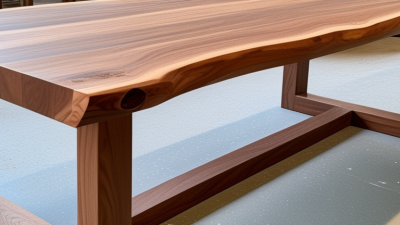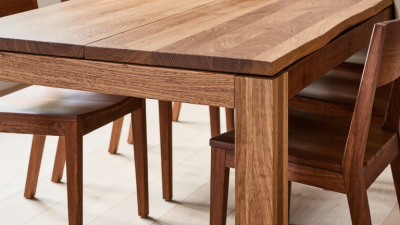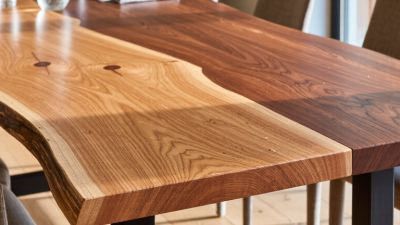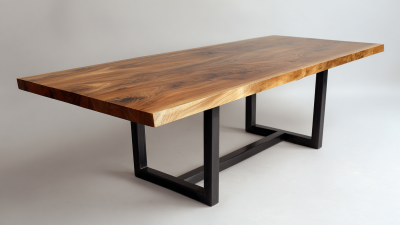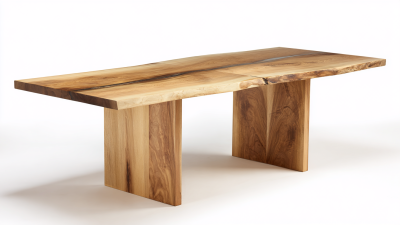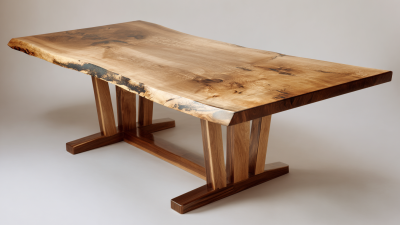
Choosing solid wood dining room tables is more than selecting a traditional centerpiece. It is a decision involving material performance, craftsmanship, maintenance, and responsible sourcing. The USDA Forest Service Wood Handbook explains that wood behaves differently according to species, grain direction, moisture content, and construction quality. These factors matter when a tabletop faces hot plates, spilled drinks, daily writing, and changing indoor humidity.
Good furniture rewards attention.
A well-built solid wood table can show natural grain, subtle color variation, and small marks that develop through use. Unlike printed wood patterns, these details are part of the material itself. Experienced furniture makers also examine joint design, board movement, edge treatment, and finish compatibility before production. However, solid wood is not maintenance-free. It may expand, contract, or require refinishing when exposed to excessive moisture or direct sunlight. That limitation deserves honest consideration.
Sourcing also affects the table’s long-term value. FSC’s Facts & Figures reports describe certification systems that connect responsibly managed forests with documented supply chains. Buyers should still verify certification claims, wood species, construction details, and care instructions. A label alone proves little without traceable information. This is where careful purchasing becomes practical, not merely ethical.
The best choice depends on your room, habits, budget, and expectations. Families with young children may prefer a forgiving matte finish. Formal dining spaces may suit carefully selected walnut or oak. Some imperfections will appear. That is part of the appeal, but also part of the responsibility. Understanding these trade-offs helps buyers choose solid wood dining room tables with greater confidence and fewer surprises.
Why Choose Solid Wood Dining Room Tables?
What Defines a Solid Wood Dining Room Table?
A solid wood dining room table is built mainly from natural timber, not a wood-fiber core covered with veneer. The tabletop should contain wood through its thickness. Look at the edge and end grain. These areas often reveal whether the material is genuine. Not just a surface. However, solid wood does not mean every screw, runner, or support must be wooden. Small engineered parts can improve stability.
Quality also depends on construction. Boards are commonly joined with careful grain matching and strong joinery. Well-made legs should feel firm when the table is pushed gently. A finish protects against spills but cannot make timber immune to heat, moisture, or scratches. Daily care matters. Wipe spills promptly, use coasters, and keep the table away from intense direct heat. Wood naturally expands and contracts as indoor humidity changes. That movement is normal, although wide gaps or persistent rocking deserve inspection.
In my experience, the most convincing tables show honest variation: small knots, changing grain, and subtle color shifts. Perfect uniformity can sometimes signal a printed or heavily altered surface. Still, knots are not automatically a defect. Their position and sealing determine practical performance. I have learned to check the underside, where rushed sanding and weak attachments are easier to notice. Ask how the timber was dried and how the finish should be maintained. A reliable seller should answer clearly. One detail is easy to overlook: solid wood can be heavy. Measure doorways and floor space before choosing a large design. That small mistake is surprisingly common.
Solid wood dining tables bring warmth that manufactured materials rarely reproduce. Each grain pattern is different, and small knots can make the surface feel personal rather than factory-perfect. In my experience, a well-built hardwood table also feels steadier during daily meals. It resists ordinary bumps better than many thin veneers. Scratches can often be sanded and refinished, although repairs require time and skill. Wood is not maintenance-free.
Compared with glass, solid wood feels warmer and hides fingerprints more effectively. Glass can make a small dining room look open, but it shows dust, smudges, and sudden spills immediately. Metal tables offer strong support and a modern appearance, yet they may feel cold against the arms. Engineered wood and laminate usually cost less and provide more consistent surfaces. However, damaged edges can be difficult to repair invisibly. Solid wood may also expand or contract with humidity. That detail is easy to underestimate.
Tips: Place coasters under hot dishes and wipe spills quickly. Keep the table away from heaters and direct sunlight. Use a breathable tablecloth, not a permanently sealed plastic cover. Check the joinery, tabletop thickness, and finish before buying. A heavy table is not automatically better. Poor construction can still cause wobbling. I once preferred a dramatic, wide tabletop, then realized it restricted movement around the chairs. Room measurements matter as much as appearance.
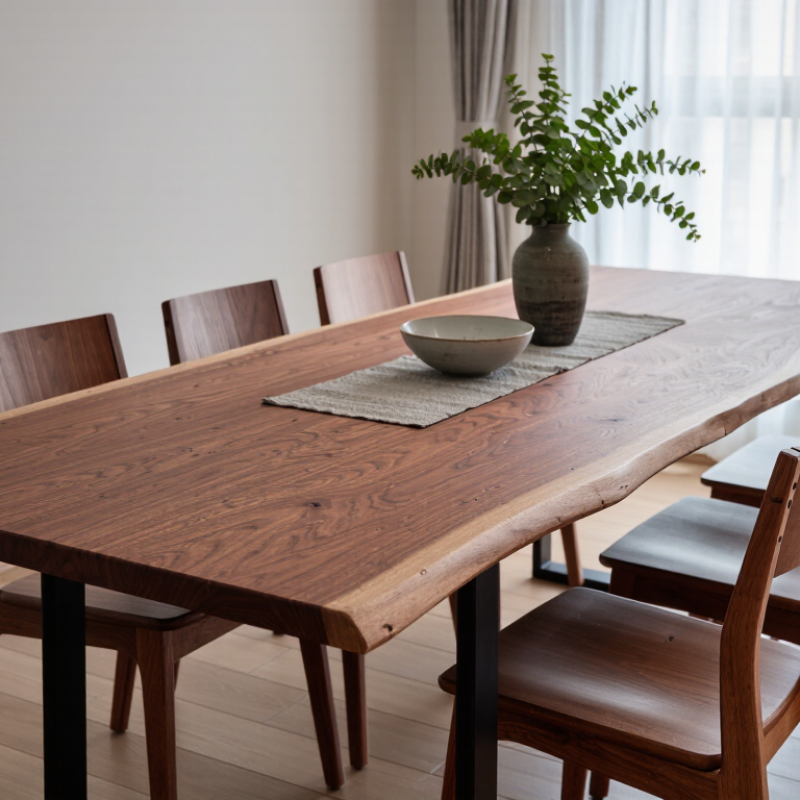
Why Choose Solid Wood Dining Room Tables?
Solid wood dining tables add warmth, strength, and visible character to everyday dining spaces. Each grain pattern is different, so the table feels less manufactured and more personal. Properly dried wood can handle years of family meals, homework, and holiday gatherings. It also allows repairs, sanding, and refinishing when small scratches appear. That practical lifespan can reduce replacement costs over time.
However, solid wood is not maintenance-free. Wood responds to humidity, heat, and moisture. A hot dish may leave a mark, while very dry air can encourage small gaps. These changes are natural, but they require realistic expectations. In furniture care, a stable indoor climate and prompt cleaning are more useful than aggressive products. Choose a finish suited to your household, especially if children use the table daily. A matte surface may hide minor marks better, though it can still stain.
Tips: Use coasters, placemats, and a soft damp cloth. Wipe spills quickly. Keep the table away from direct heaters and strong sunlight. Check the manufacturer’s care guidance before applying oil or polish. A table can age beautifully, but careless cleaning may dull its finish. Measure your dining area carefully, leaving enough room for chairs and comfortable movement. A beautiful table is less successful when the room feels crowded.
| Evaluation Dimension | Solid Wood Dining Tables | Practical Benefit for Dining Spaces | Important Consideration |
|---|---|---|---|
| Material construction | Made from natural wood boards throughout the main tabletop rather than a thin decorative wood layer. | Provides authentic grain, natural color variation, and a substantial appearance. | Wood species, board quality, joinery, and finish strongly influence performance. |
| Expected service life | A well-made and properly maintained table can remain usable for several decades. | Supports long-term use in kitchens, dining rooms, and open-plan living areas. | Avoid prolonged moisture, excessive heat, direct sunlight, and unstable indoor humidity. |
| Repairability | Minor scratches, dents, and surface wear can often be sanded and refinished. | The table can be refreshed instead of replaced when its surface becomes worn. | Deep structural damage, severe warping, or failed joints may require professional repair. |
| Surface durability | The solid surface generally tolerates routine dining use when protected by an appropriate finish. | Suitable for frequent meals, family activities, and everyday entertaining. | No wood finish is completely scratch-proof, heat-proof, or stain-proof. |
| Moisture response | Wood absorbs and releases moisture, so small seasonal movement is normal. | Natural material behavior allows the table to adapt to normal indoor conditions. | Wipe spills promptly and use coasters, placemats, and trivets to reduce moisture and heat damage. |
| Visual character | Each tabletop has individual grain patterns, knots, tones, and natural variations. | Adds warmth and a distinctive focal point to both traditional and contemporary interiors. | Color and grain will not be perfectly uniform across all boards. |
| Maintenance frequency | Routine care usually includes dusting and cleaning with a slightly damp cloth; refinishing depends on wear and finish type. | Simple daily care helps preserve the finish and appearance for long-term use. | Follow the care instructions for the specific finish, such as oil, wax, lacquer, or polyurethane. |
| Environmental profile | Can be a responsible choice when the wood comes from well-managed or certified forests and the table is used for many years. | Long service life and repairability can reduce the need for frequent replacement. | Look for credible sourcing information and avoid treating “solid wood” alone as proof of sustainability. |
| Design flexibility | Can be cut, shaped, stained, painted, or refinished in many styles. | Makes it easier to coordinate the table with changing décor or future room updates. | Custom alterations should account for wood movement and the original joinery. |
| Family and entertaining suitability | Offers a stable, substantial dining surface when correctly constructed and supported. | Works well for daily family meals, homework, celebrations, and hosting guests. | Check the table’s dimensions, legroom, weight, and load capacity before purchase. |
Note: Performance varies according to wood species, construction quality, finish, indoor humidity, and maintenance practices.
A solid wood dining table can bring warmth, strength, and visible character to a dining room.
Before buying one, measure the room carefully. Leave at least 36 inches between the table and nearby walls or chairs. A beautiful table feels uncomfortable when movement becomes difficult.
Examine the wood surface in natural light. Look for consistent grain, secure joints, and a stable underside. Small knots may add personality, but deep cracks can worsen with seasonal humidity changes.
Ask about the wood’s moisture control and construction method. Experienced furniture makers usually explain these details clearly.
I once focused too much on color and underestimated table weight. That mistake made delivery and rearranging surprisingly difficult.
Think about daily use, not only appearance.
A family with young children may need a durable, repairable finish. A softer surface can show scratches more quickly. Check whether the finish tolerates warm plates, spills, and regular cleaning.
Solid wood can be sanded and refinished, but repairs still require skill and time. Consider leg placement, table height, and seating capacity before deciding.
Wood also expands and contracts naturally. Keep the table away from heaters and direct sunlight. Use coasters, but do not treat every mark as a disaster.
A dining table should age honestly, although I still prefer testing the finish with a damp cloth before purchase.
Solid wood dining tables offer warmth, strength, and a surface that can age gracefully. Their service life depends heavily on daily care. Wood responds to moisture, heat, sunlight, and changing indoor humidity. Small habits matter.
Wipe spills immediately with a soft, slightly damp cloth. Keep it dry. Avoid soaking the tabletop or using harsh cleaners. A mild wood-safe solution is usually enough.
Place coasters beneath glasses and mats under hot dishes. Felt pads can protect the surface from plates, vases, and serving trays. Lift objects instead of dragging them across the grain.
Keep the table away from radiators, vents, and strong direct sunlight. Sudden temperature changes may cause cracking, swelling, or slight movement. I once ignored a small water ring, and it became harder to remove after several days.
Do not panic. Light marks may improve with careful cleaning, while deeper scratches might need professional refinishing. Sanding without experience can remove too much material and create an uneven patch.
Inspect joints and legs every few months, especially after moving the table. Tighten loose fittings gently, but never force them. Seasonal movement is normal, not always a defect.
A stable room environment and regular dusting usually protect the finish better than aggressive polishing.