Best Solid Wood Sofa Table Manufacturers in China?
Choosing a solid wood sofa table manufacturer in China takes more than comparing catalog photos and quoted prices. Buyers also need to understand the wood species, construction methods, finishing options, and production capacity behind each offer. A low price may look appealing, but unclear material descriptions or inconsistent sample quality can create costly surprises.
This guide explores how to assess potential manufacturers through practical, verifiable details. Look for clear information about solid wood components, joinery, moisture control, surface finishes, and packaging. Ask whether a sample reflects the proposed production specification, and check how the company handles design changes, quality inspections, and delivery updates. A close look at a drawer, leg joint, or finished edge can reveal more than a polished product image.
Small details matter.
There is no single “best” supplier for every buyer. A small retailer may value flexible order quantities, while a larger importer may prioritize repeatable quality and stable production schedules. Factory visits, video inspections, references, and written specifications can help support a more reliable decision, though each has limits. No checklist is perfect, and supplier claims still need careful verification. Natural grain and color variations are expected in solid wood, so buyers should agree on acceptable differences before production begins. The sections ahead compare key selection factors and common manufacturer strengths, helping readers identify a suitable partner rather than simply chase the lowest quote.
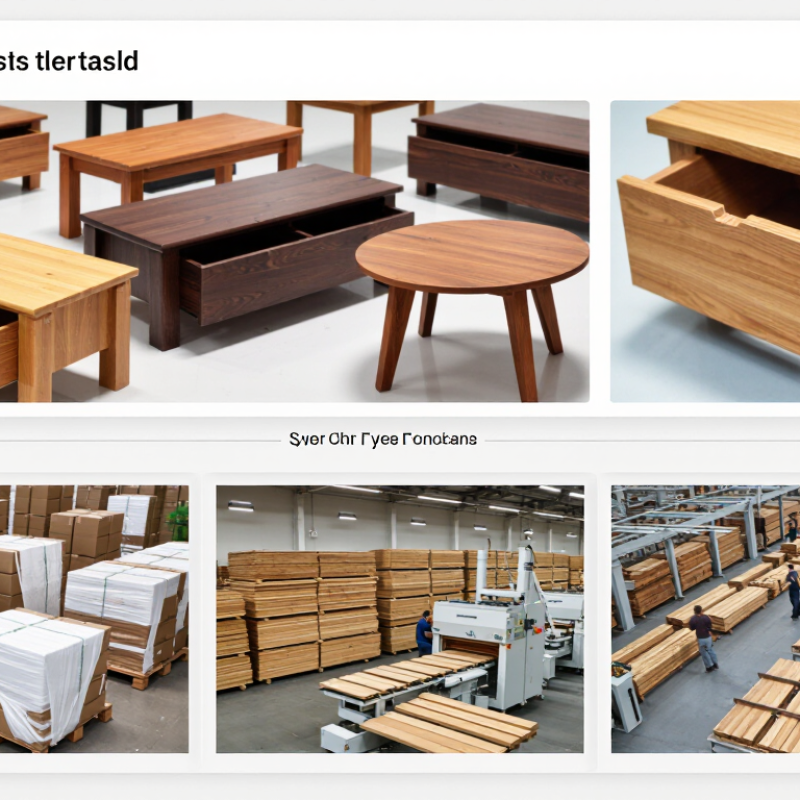
What Defines a Solid Wood Sofa Table?
What Defines a Solid Wood Sofa Table?
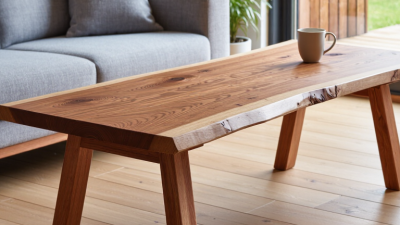
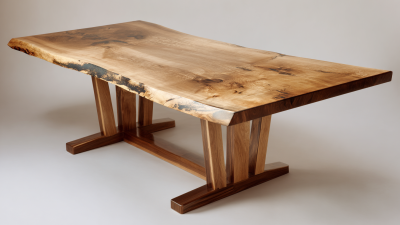
A solid wood sofa table uses real wood boards for its main structural parts, such as the top, legs, and frame. It is not simply a wood-look finish over particleboard. Common woods include oak, ash, walnut, and rubberwood; each differs in grain, hardness, and color. Species alone does not prove quality. Board selection, careful drying, and sound joinery matter just as much. Look underneath, too. The construction there often tells a clearer story than a polished surface.
Tips: Ask manufacturers which components are solid wood and which, if any, use engineered panels. Check whether joints feel tight and the table sits level. A useful detail: wood grain should look natural, not like a repeated printed pattern.
Solid wood can expand or contract as indoor humidity changes. Small seasonal movement is normal, not automatically a defect. Still, poorly dried boards may warp or split. A thick top is not always better if its design restricts natural movement. Finish quality matters, but it cannot fix weak construction.
When comparing suppliers in China, request close-up photos of joints, underside details, and the stated wood species. Specifications can be incomplete; ask for clarification before judging a table by appearance alone.
How Chinese Manufacturers Source and Work with Solid Wood
Best Solid Wood Sofa Table Manufacturers in China?
A reliable sofa table begins with clear wood sourcing, not a polished showroom sample. Chinese manufacturers may use domestic timber or imported hardwood, depending on the species, supply, and project requirements. Ask which species goes into each component, including legs, rails, and drawer fronts. “Solid wood” can describe different construction choices, so confirm whether panels are solid throughout or include engineered cores.
Moisture control matters. Factories should explain how timber is dried and checked before cutting; ask for recent moisture readings and the target range for your destination’s climate. Too much moisture can lead to movement or joint gaps after delivery. Request photos of the actual production batch, not only a sample. Timber grades, color variation, and finishing methods should also be documented. Some variation is natural, but vague specifications make quality harder to judge.
Tips: Ask for species and sourcing records, batch-level moisture checks, and a written finish sample approval. Check how exposed edges are joined and sealed. A detailed inspection is useful, but it may still miss changes caused by transport or seasonal humidity. Plan for that risk rather than assuming every table will remain unchanged.
Major Production Regions and Manufacturing Capabilities in China
China’s solid wood sofa table production is spread across several furniture clusters. Guangdong, especially around Foshan and Dongguan, offers broad access to woodworking, metal hardware, finishing, and export packaging suppliers. This can help factories coordinate mixed-material designs, such as oak tops with steel frames. Zhejiang and nearby Jiangsu have established furniture-making networks, with capabilities that vary by town and workshop. Shandong also has solid wood furniture producers, though buyers should verify each factory’s actual product focus.
The equipment matters. Look for controlled kiln drying, moisture testing, accurate cutting, and stable joinery. These steps help reduce warping and loose connections after shipment. CNC routers support repeatable dimensions, while hand sanding can improve edges and curved details. Finishing lines may offer oil, lacquer, or water-based coatings; request samples under natural light. Small details count.
Regional reputation is only a starting point. Ask for production photos, material specifications, and inspection records for the same table design. A clean showroom sample can conceal uneven drawer gaps or inconsistent color across a batch. I would check those points before placing a large order. Some workshops communicate well but lack dedicated testing equipment, so confirm the process rather than relying on promises.
How to Select a Manufacturer for Your Sofa Table Needs
Best Solid Wood Sofa Table Manufacturers in China?
Selecting a manufacturer starts with a clear product brief. Specify the table’s dimensions, wood species, finish, and intended room conditions. Ask how the factory verifies timber moisture, because wood can shrink or warp after delivery. Request written inspection records, not only attractive product photos. Small details matter.
Review a physical sample for steady legs, smooth edges, and even color under natural light. Check how the top joins the frame and whether drawers slide without scraping. Ask about finish options, repair procedures, production lead times, and protective export packaging. A useful supplier will explain trade-offs plainly, including how a chosen wood grain may vary between pieces. No checklist catches everything.
Before placing a larger order, confirm the approved sample and specifications in writing. Discuss acceptable color variation, measurement tolerances, and what happens if an inspection finds defects. Clear communication is evidence of a reliable process, though it cannot replace checking the goods. A polished catalog can still hide weak joints. I would avoid choosing by price alone; the cheapest quote may omit careful sanding or stronger packaging, and those omissions become visible only after the table arrives.
Solid Wood Options for Sofa Tables: Approximate Density
Approximate air-dry density at around 12% moisture content, in kilograms per cubic meter. Actual values vary by species, growing conditions, and moisture content. Use density as one comparison point when evaluating a manufacturer; also request wood-species documentation, moisture-control details, construction samples, and finish specifications. Higher density does not automatically mean better suitability.