How to Choose the Perfect Bedroom Chair for Your Space?
Choosing the right bedroom chair can transform your space. A well-chosen chair adds comfort and style. It becomes a focal point or a quiet retreat.
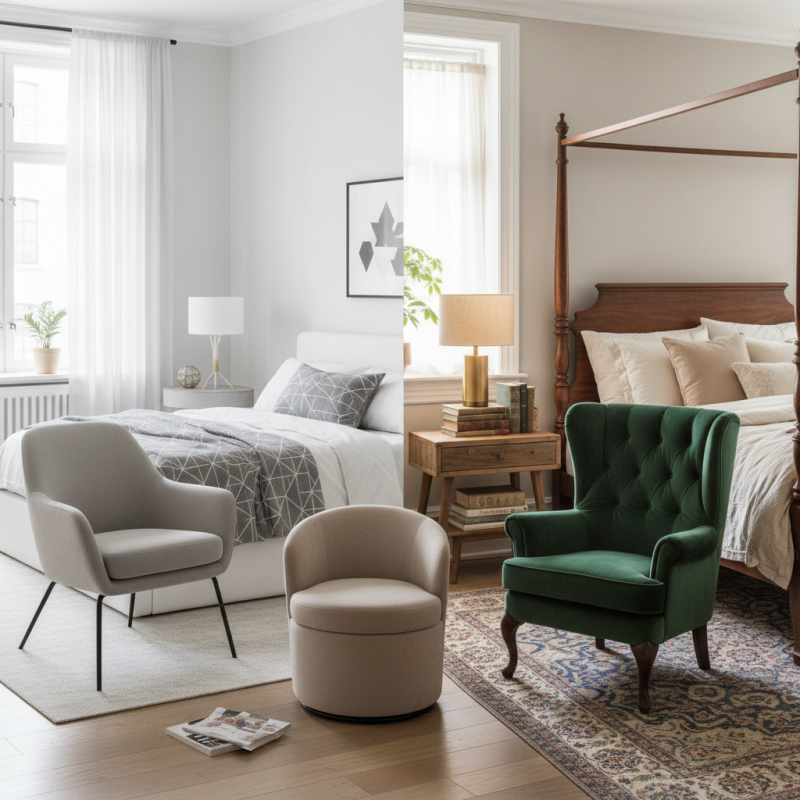
Consider the style you prefer. A modern chair might suit a sleek decor, while a vintage piece could add warmth. Comfort is also key. Test different cushions and heights. A chair should invite you to sit and relax.
Don’t forget about size. A large chair can overwhelm a small room. Conversely, a tiny chair might look lost in a big space. Balancing these elements is crucial. Reflect on your needs. A functional chair is just as important as one that looks good.
Understanding Your Space: Measuring Dimensions for Optimal Chair Fit
Choosing the right bedroom chair involves careful consideration of your space. Measuring dimensions is crucial for optimal chair fit. Experts suggest that a good fit allows for movement and comfort. The American Home Furnishings Alliance reports that improperly sized furniture can lead to cramped spaces and decreased functionality.
Start by measuring the area where you plan to place the chair. Take into account the distance from walls and other furniture. A minimum of 24 inches is recommended for walkways. This allows for easy navigation and enhances comfort. However, not everyone has the luxury of expansive rooms. Some spaces may feel overwhelming with larger pieces.
Choosing a chair that complements the scale of your room is essential. Dimension guidelines from various design reports indicate that chairs should not exceed one-third of the total length or width of a room. This avoids a disjointed look. A well-chosen chair can serve as a focal point or blend seamlessly. Don't rush this decision. Take time to visualize the space.
Assessing Style: Choosing a Chair That Matches Your Bedroom Aesthetic
Choosing the right chair for your bedroom is crucial. It can blend seamlessly with your aesthetic or create a striking contrast. According to a recent interior design survey, 72% of homeowners prioritize style over comfort when selecting furniture. This underscores the importance of a chair that reflects your personality.
Consider the existing decor. Is your bedroom modern, rustic, or eclectic? A mid-century chair pairs well with minimalist designs, while a plush armchair suits cozy, traditional spaces. Color also plays a significant role. Neutral tones provide versatility, but bold colors can energize the room. A 2023 study indicated that 55% of interior designers recommend choosing a chair that complements existing palettes.
Lastly, reflect on function. A chair should not just look good; it should serve a purpose. If you enjoy reading, opt for one with the right height and support. A chair can invite relaxation, but it should not overcrowd the room. Balancing style and functionality is key. The challenge lies in finding that ideal piece that speaks to you while enhancing your bedroom's overall vibe.
Choosing the Perfect Bedroom Chair: Style Assessment
Comfort Matters: Ergonomic Features to Look for in Bedroom Chairs
Choosing the right bedroom chair is essential for relaxation and style. When prioritizing comfort, ergonomic features play a crucial role. Studies indicate that over 60% of individuals experience discomfort from poor seating. This can lead to long-term health issues, including back pain and posture problems.
Focus on key ergonomic features. Look for chairs with lumbar support, adjustable height, and appropriate seat depth. A chair should align with your body’s natural curves. According to a survey by the American Chiropractic Association, chairs that support the lower back can significantly reduce discomfort during prolonged sitting.
Tips: Test your chair for a few minutes before purchasing. Ensure your feet can rest flat on the floor. Cushioning should provide support without being overly soft. Don't ignore the seat width; it should accommodate your frame comfortably. Balance aesthetic appeal with functionality. A chair may look perfect, but if it lacks proper support, it could lead to regret.
Creating a cozy reading nook or a stylish corner requires a balance of beauty and comfort. Ensure your chair complements the room while serving its purpose. You want a space that invites you to unwind, rather than one that makes you rethink your choice after a few minutes.
Material Selection: Evaluating Fabrics and Finishes for Durability
When selecting a bedroom chair, material choice is crucial for both aesthetics and longevity. Fabrics can vary from soft cotton to durable synthetics. Natural fibers, like linen or wool, provide comfort but may require more maintenance. Synthetic materials can resist stains but might not feel as warm.
Consider how much wear and tear your chair will face. If it’s a frequent sitting spot, opt for robust fabrics. Velvet offers a luxe look but can show signs of wear quickly. Leather is timeless, but it may crack over time without care. Always think about your lifestyle and cleaning habits.
**Tips:** Try to imagine how the chair will fit into your daily routine. Sit in different chairs, feeling their textures. Look for fabric samples. They can help you envision the final look. Ultimately, investing time in material selection pays off in comfort and durability. Remember: not every choice will be perfect, and that’s okay. Assess each option to ensure it meets your needs.
Functionality: Selecting Chairs That Serve Dual Purposes in Small Spaces
In small spaces, choosing a chair that serves multiple purposes is essential. Consider a chair that doubles as storage. Options like ottomans with hidden compartments keep clutter at bay while providing extra seating. This practical choice maximizes both functionality and aesthetics, adding a touch of style.
Another great option is a folding chair. These can be easily stowed away when not in use. They come in various designs, from sleek modern pieces to classic styles. This versatility allows you to switch up your decor with ease. However, the balance between comfort and space-saving should not be overlooked. A chair might look good but may not always feel right for long periods.
Lastly, think about how the chair fits into your daily routines. A multifunctional chair should cater to your needs without compromising comfort. If a chair is too rigid, it might become a burden rather than an asset. Reflecting on your lifestyle will help you choose a chair that truly enhances your space.