
Choosing the right bedside flooring can influence a guest’s first steps each morning. Bedside Carpet offers warmth, quietness, and a more finished appearance around hotel beds. Its soft surface reduces the cold feeling of tile or stone. It also helps create a clear visual boundary between the sleeping area and the wider room.
Experienced hotel operators often evaluate Bedside Carpet beyond appearance. They check fiber density, edge binding, backing quality, stain resistance, and cleaning performance. A practical sample should be tested beside a bed, under typical lighting, and after repeated vacuuming. Small details matter. Loose edges may create maintenance concerns, while unsuitable colors can show dust quickly. Reliable suppliers should provide material specifications, color references, production standards, and consistent samples for international buyers.
Hotel procurement teams also need to consider room design, guest expectations, shipping conditions, and replacement planning. A carpet that looks attractive in a showroom may perform differently in humid climates or high-traffic properties. That limitation deserves attention. No single Bedside Carpet suits every hotel, room type, or market. Buyers should compare durability, comfort, safety characteristics, cleaning requirements, and total cost rather than choosing by price alone. Clear communication with manufacturers supports better decisions, especially when dimensions, packaging, and quality inspections vary between countries. With professional evaluation and honest product information, Bedside Carpet can become a useful detail that improves comfort without creating unnecessary operational work.
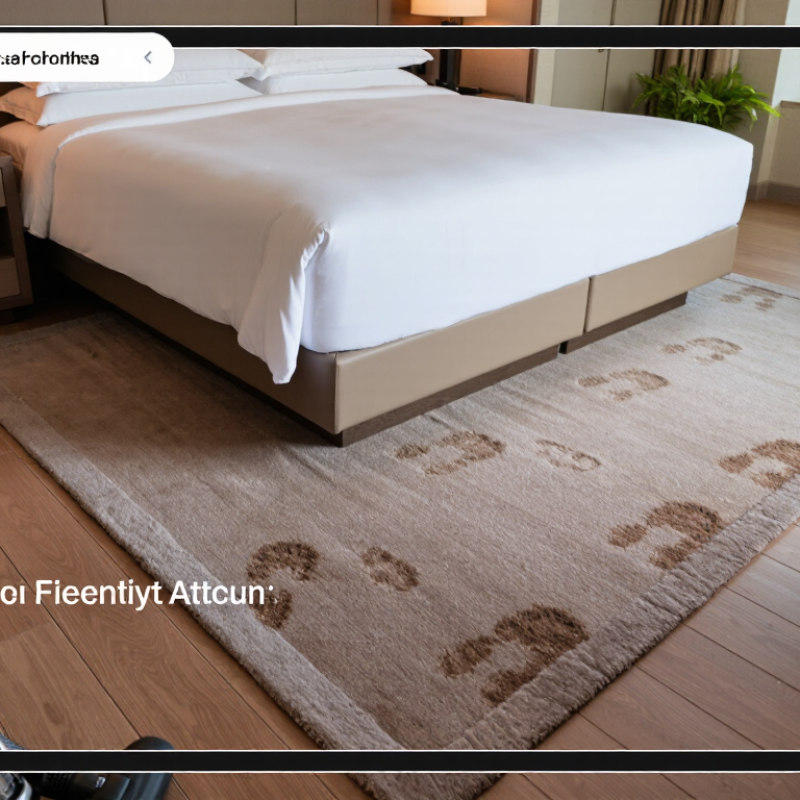
Bedside carpet is a narrow rug or fitted textile placed beside a hotel bed. It creates a warmer landing for bare feet. It also defines the sleeping zone visually. Hotels commonly use it in guest rooms, suites, serviced apartments, and boutique properties.
Its practical role is more important than decoration. It softens footsteps near the bed and reduces contact with cold flooring. Carpet performance depends on fiber, backing, density, and installation quality.
The Cornell Hospitality Report found that a one-point increase in online review ratings could support about 11% higher room prices, while maintaining occupancy. Clean, comfortable details can influence those ratings. A bedside carpet may support that impression when it looks fresh and lies flat. However, it can also expose poor housekeeping quickly. Dust gathers along edges, and loose corners create trip risks.
Global buyers should request abrasion, stain-resistance, and colorfastness test results before ordering. A low-pile structure is usually easier to vacuum. Yet, it may feel less luxurious. That trade-off deserves honest evaluation.
Tips: Choose sizes that extend beyond the bedside area. Check the carpet after repeated vacuuming. Ask for samples under warm and cool lighting. Confirm cleaning instructions before installation. I would not judge quality from photographs alone. Real rooms reveal problems faster.
Bedside carpet can change how a hotel room feels before guests notice its decoration. A soft surface beside the bed reduces contact with cold flooring during early morning steps. It creates a warmer landing area for bare feet after sleep. Hotel room inspections often reveal that comfort comes from small physical details. The difference feels immediate.
A carefully selected bedside carpet also supports room design. Its color can connect the bed, curtains, and nearby furniture without making the space feel crowded. Low-pile fibers usually allow easier trolley movement and simpler daily cleaning. A stable backing can reduce sliding, while a neat edge helps prevent awkward trips. It should feel secure.
Texture matters too. Gentle fibers can soften footsteps and reduce the sharp sound of hard flooring. Yet, carpet is not automatically practical. Moisture, dust, and loose threads can quickly affect its appearance. Housekeeping teams need regular vacuuming and prompt stain treatment. Some darker patterns hide marks better, but they may make a small room feel heavier. That compromise deserves careful review.
For global buyers, construction details matter more than attractive photographs. They should check fiber performance, backing quality, dimensions, cleaning requirements, and local safety expectations. A sample tested beside an actual hotel bed can reveal problems that a catalog misses. Slight color variation may also appear under different lighting. That is easy to overlook.
Material and construction determine whether hotel carpet survives luggage wheels, coffee spills, and daily cleaning. Solution-dyed nylon offers strong color retention and resilience for corridors, lifts, and bedside areas. Wool feels warmer and quieter, but it costs more and needs careful moisture control. Polypropylene can suit lighter-use rooms, though it may flatten faster in busy zones.
Construction matters just as much. Dense loop pile usually hides wear better than high-cut pile. Tufted carpet can reduce project cost and simplify large-area replacement. Woven carpet provides excellent stability, but installation and repairs often require more skilled labor. Modular carpet tiles are practical for hotels because damaged sections can be replaced locally. No specification is perfect. A tile may look less luxurious, yet its replacement efficiency can protect long-term operating budgets.
Tips: Request third-party emissions testing, such as Carpet and Rug Institute Green Label Plus documentation. The U.S. EPA reports that indoor pollutant levels are often two to five times higher than outdoors, and sometimes 100 times higher. Select low-emission adhesives and ventilate rooms before opening. Also review cleaning chemicals, backing, and moisture resistance together. UNEP’s 2023 Global Status Report states that buildings use 34% of global energy and create 37% of energy-related and process emissions. Durable carpet, recycled content, and verified environmental product data deserve attention.
Before ordering bedside carpet for a hotel, global buyers should inspect more than color and price.
Ask for a physical sample. Check how the pile feels under bare feet and whether the backing curls at the edges. Measure the bedside area twice, including clearance around furniture and doors. Small errors can create expensive installation problems.
Request clear specifications for fiber composition, pile height, density, backing type, and total weight. A dense, low-pile surface may resist crushing beside beds and luggage paths. Confirm slip resistance and suitable fire-performance documentation for the destination market. Reports should come from recognized, independent laboratories and match the exact product version. Do not rely on an old certificate. Standards and hotel requirements can differ by country.
Review colorfastness, stain resistance, cleaning instructions, and expected replacement cycles. Ask how the carpet performs after repeated vacuuming and spot cleaning.
Packaging also matters; damp cartons can damage carpet before installation. Confirm roll dimensions, production tolerance, minimum order quantity, lead time, inspection procedures, and shipping documents in writing.
Request a pre-shipment sample or inspection when practical. It costs time, but it can prevent a room-by-room mismatch.
A low price can mislead. Even experienced buyers sometimes overlook maintenance labor, which may exceed the original product difference. Load the sample under realistic hotel conditions before approving the order.
Hotel buyers evaluate bedside carpet through daily use, not photographs alone. A dense, even pile should resist flattening beside beds and luggage paths. Check the backing for stability, odor, moisture resistance, and safe indoor use. Edge binding must remain tight after repeated vacuuming. Request a physical sample, then inspect it under warm and cool lighting. Colors can shift more than expected.
Cost needs a wider view. A cheaper carpet may require earlier replacement, creating extra labor and room downtime. Compare price per room, cleaning effort, packaging, and expected service life. Ask for test data when available, but do not treat a certificate as proof of every claim. Supplier experience matters. Clear specifications reduce disputes.
Customization should cover size, shape, color, pile height, logo placement, and packing method. A bedside carpet may need to fit tightly around furniture legs. Small measurement errors become obvious across hundreds of rooms. Delivery planning should confirm sample approval, production capacity, inspection points, carton labels, and shipping documents. Build in schedule space for rework. Tight deadlines can hide preventable mistakes. Global buyers should also confirm communication hours and replacement procedures. Reliability is often visible in small details.