China remains a major furniture manufacturing base, supported by mature woodworking clusters, export infrastructure, and experienced contract factories. CSIL’s World Furniture Outlook 2024 identifies Asia as the dominant furniture production region, with China holding a central position in global supply chains. This scale matters for buyers seeking wood dining room chairs, but volume alone does not prove quality.
A reliable supplier should demonstrate more than attractive catalog photographs. Buyers should examine kiln-dried timber records, moisture readings, joint construction, finishing samples, and packaging tests. A chair may look elegant under showroom lighting. Its mortise-and-tenon joints must still resist repeated movement. Product testing should match the destination market, such as EN 12520 for domestic seating or applicable BIFMA standards for commercial projects. FSC Chain of Custody certification can also support responsible wood sourcing, where required.
Trade data offers another useful filter. UN Comtrade and ITC Trade Map provide shipment information under furniture-related HS codes, helping buyers compare China’s export activity with competing origins. However, these codes often combine different furniture categories. The numbers need careful interpretation. A factory’s export record may include tables, cabinets, and chairs together.
Real experience still matters.
Request a recent factory video, production-line photographs, and a physical sample. Confirm wood species, chair dimensions, load testing, lead time, defect tolerance, and replacement policies in writing. ISO 9001 may indicate process control, but it does not guarantee every chair will perform perfectly. That distinction is important.
This guide evaluates leading Chinese suppliers through manufacturing capability, material transparency, quality systems, customization strength, export experience, and communication reliability. The “top” supplier is not always the largest. It is the one that consistently delivers the right chair, specification, and service for your project.
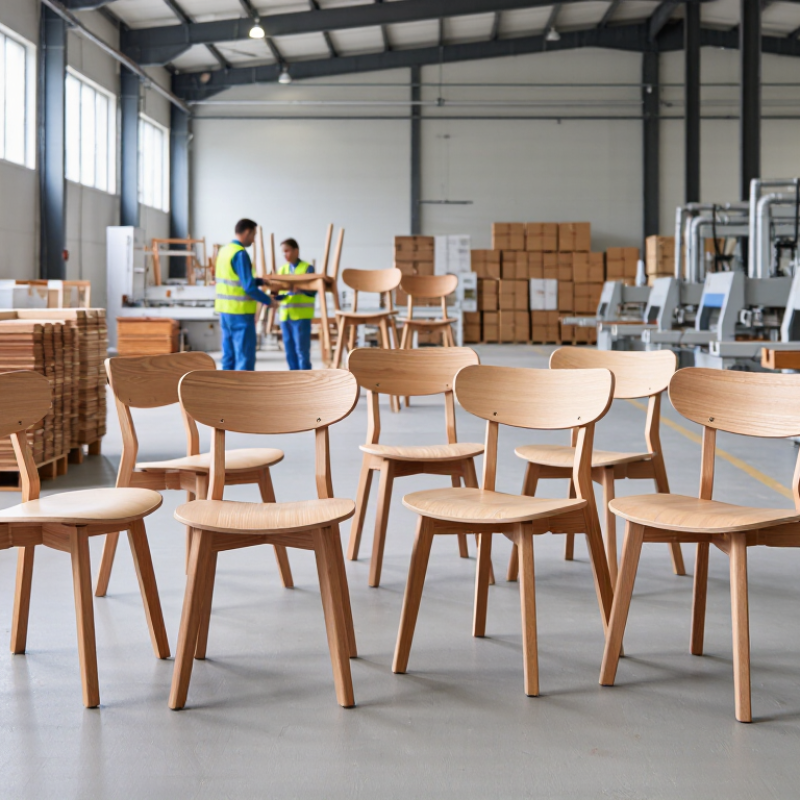
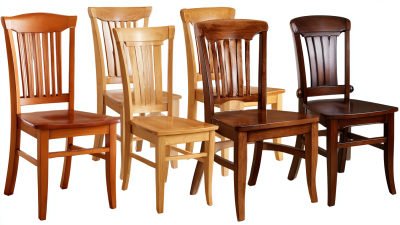
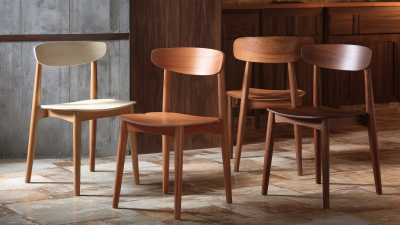
China’s wood dining room chairs cover a wide range of styles, structures, and price levels. Solid rubberwood chairs are common because the timber is stable, affordable, and easy to machine. Beech offers a smoother grain and stronger frame, making it suitable for curved backs and daily family use. Oak chairs feel heavier and show a more visible grain. Walnut-toned finishes create a warmer, darker appearance, although the surface may use veneer over engineered wood.
Traditional designs include ladder-back, Windsor, spindle-back, and farmhouse chairs. Their shaped rails and turned legs add a familiar dining-room character. Modern factories also produce bentwood chairs with gently curved backs. These chairs can support the body well when the curve is carefully tested.
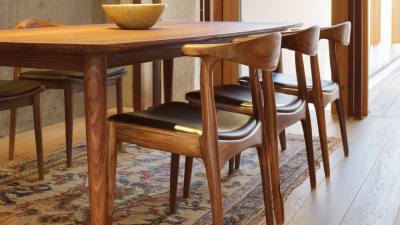
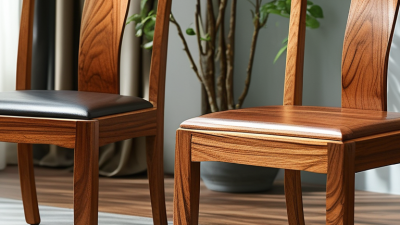
Upholstered wood chairs combine a timber frame with foam and fabric seats. They feel softer, but fabric quality, stitching, and moisture resistance need closer inspection.
During quality checks, I look at joint tightness, sanding marks, seat height, and chair balance on a flat floor. A chair should not rock after repeated use. Mortise-and-tenon joints often provide dependable strength, while dowel joints can perform well when accurately drilled and glued. Small details matter. However, wood color can vary between batches, even under the same finish. This is easy to underestimate. Buyers should request material samples, weight limits, moisture information, and photographs of finished production before selecting reliable Chinese suppliers. A beautiful sample does not always represent every shipment.
Choosing China’s top wood dining room chair suppliers requires more than comparing catalog prices. Start by checking production experience, workshop capacity, and the supplier’s understanding of commercial seating. Ask for recent project references and detailed photos of completed chairs. A professional supplier should explain wood species, moisture control, joinery, finishing, and load testing without vague promises.
Request physical samples before placing a large order. Inspect the grain, seat comfort, corner joints, and surface finish under natural light. Check whether each chair sits level on a hard floor. Small details matter. Wood moisture should suit the destination climate, or warping may appear later. Confirm the exact material grade, dimensions, color standard, packaging method, and replacement process in writing.
Communication quality is another practical test. Reliable suppliers answer technical questions directly and report production problems early. Review their quality-control records, inspection points, and pre-shipment procedures. An independent inspection can provide useful evidence, especially for new buyers. However, paperwork alone is not enough. Factory videos may look convincing but hide weak processes. A visit, live video inspection, or verified local representative offers stronger insight. Be careful with unusually low prices; they may reflect thinner wood, rushed sanding, or reduced packaging. I would not judge a supplier from one attractive sample. Compare several samples after repeated handling, because real durability is often less impressive than showroom appearance.
China’s leading wood dining chair regions differ in materials, skills, and production scale. Guangdong, especially Foshan and Dongguan, is known for export-oriented furniture factories. Manufacturers there often combine rubberwood, oak, ash, and engineered panels with automated sanding and spray finishing. Foshan suppliers usually offer broad customization, including curved backs, woven seats, and restaurant-grade designs.
Zhejiang has a strong furniture manufacturing base around Anji and nearby areas. The region is recognized for efficient woodworking networks and flexible order quantities. Many workshops focus on solid wood frames, steam-bent components, and practical dining collections. Jiangsu, including areas near Suzhou and Nantong, offers careful machining and stable supply chains for oak, beech, and mixed-material chairs. Fujian also deserves attention for small and mid-sized factories with responsive development teams.
Regional reputation is only a starting point. A reliable buyer should inspect kiln-drying records, moisture levels, joint construction, and finish safety documents. Ask for samples before approving mass production. Check whether the chair remains stable after repeated loading, not only whether it looks attractive. No region is perfect. Some factories may show excellent samples but struggle with consistency during large orders. Clear drawings, inspection checkpoints, and written tolerance requirements reduce that risk. A factory visit can reveal details photos hide, such as uneven sanding, weak corner blocks, or crowded drying rooms.
China Top Wood Dining Room Chairs Suppliers?
A reliable Chinese chair supplier should prove more than a low quotation. Ask for factory registration, production photographs, export experience, and recent inspection records. Request a video call from the workshop, not only a showroom tour. Check whether the supplier controls wood selection, cutting, assembly, sanding, and finishing. Clear process ownership reduces quality gaps.
Study the sample closely. Measure seat height, leg alignment, joint tightness, and surface smoothness. Ask for the wood species, moisture range, adhesive type, and finish specifications. Kiln-dried timber usually performs better in changing indoor climates. Still, claims need evidence. Request moisture readings and a written quality standard. A dependable supplier should also explain packaging, carton strength, replacement procedures, and production lead times.
Communication reveals practical reliability. Send drawings with tolerances, reference photos, and acceptable color variation. Confirm every detail in a dated purchase document. I once focused too heavily on appearance and overlooked carton protection. Several corners arrived damaged. That mistake changed my inspection checklist. Now I request a pre-shipment inspection, random carton opening, and photographs of labels before payment approval. Suppliers who welcome reasonable questions often manage problems better. However, friendly communication is not enough. Review sample consistency, factory capacity, corrective-action records, and payment terms together. Small gaps may become expensive after a large order.
| Evaluation Dimension | Practical Industry Benchmark | What the Buyer Should Check | Priority |
|---|---|---|---|
| Solid Wood Species | Common commercial options include rubberwood, beech, ash, oak, pine, and birch. Hardwood species are generally preferred for high-use dining chairs. | Request the exact wood species, country of origin, grade, lamination method, and whether any solid-wood components are substituted with veneer or engineered wood. | High |
| Moisture Content | Furniture wood is commonly kiln-dried to approximately 8%–12% moisture content for many indoor markets, subject to local climate and product requirements. | Ask for moisture-testing records from several production batches. Confirm the measurement location and whether readings are taken before assembly and before shipment. | High |
| Structural Construction | Reliable chairs normally use properly sized joints, reinforced corner blocks or stretchers where required, and controlled assembly pressure. | Review technical drawings and joint details. Request photographs or videos of load-bearing connections and confirm that visible defects are not covered by filler or paint. | High |
| Safety and Strength Testing | Commercial dining chairs should be evaluated against the buyer’s destination-market requirements, such as applicable EN or ASTM seating standards. | Request a current third-party test report matching the exact chair model, materials, dimensions, and construction. Check test-laboratory accreditation and report validity. | High |
| Load Capacity | Many contract and household dining chairs are specified for a static user load of approximately 100–150 kg, but the required value depends on the applicable standard and use environment. | Do not rely only on a stated weight limit. Confirm the test method, number of cycles, pass criteria, and whether the tested sample was from normal production. | High |
| Finish and Surface Quality | Common finishes include water-based coatings, solvent-based coatings, oil finishes, and lacquer systems. Appearance consistency is affected by wood porosity and color variation. | Approve a signed color and gloss sample. Specify acceptable limits for pinholes, runs, orange peel, color variation, rough edges, odor, and coating adhesion. | High |
| Chemical Compliance | Requirements vary by destination. Buyers may need documentation for formaldehyde emissions, restricted substances, heavy metals, and coating safety. | Provide the destination country and applicable regulations before production. Request material declarations and laboratory reports for wood panels, coatings, adhesives, and upholstery if used. | High |
| Factory Auditability | A reliable supplier should be able to provide a verifiable factory address, production photographs, process information, and consistent business documentation. | Check the business license, export capability, factory location, production areas, equipment, workforce, and whether manufacturing is performed in-house or subcontracted. | High |
| Production Capacity | Capacity should be assessed by monthly output of the specific chair construction, not by the supplier’s total furniture capacity. | Ask for realistic monthly capacity, current utilization, peak-season arrangements, critical equipment, and the maximum quantity that can pass the approved quality standard. | Medium |
| Minimum Order Quantity | Custom wooden dining chairs often require a higher MOQ than standard stock models because of setup, material purchasing, color matching, and packaging costs. | Request separate MOQs for standard models, custom dimensions, custom finishes, fabric changes, and mixed-container orders. Confirm whether small trial orders carry extra charges. | Medium |
| Sample and Approval Process | A production sample should be approved before mass production, especially when the order includes custom dimensions, finish colors, upholstery, or packaging. | Use a written approval sheet covering dimensions, tolerance, wood grade, finish, hardware, labeling, carton marks, and packaging. Keep a retained reference sample where possible. | High |
| Typical Lead Time | A standard export order commonly requires several weeks after approval and deposit; custom orders may take longer because of tooling, material preparation, and testing. | Obtain a milestone schedule covering sample approval, raw-material preparation, pilot production, mass production, inspection, packing, and shipment booking. | Medium |
| Packaging and Transit Protection | Suitable packaging may include individual protection, edge guards, layered cartons, molded inserts, or export pallets, depending on the chair design and shipping route. | Request a packaging specification and drop or compression-test evidence when appropriate. Confirm carton dimensions, gross weight, container loading plan, and moisture protection. | High |
| Quality-Control System | A practical control process should include incoming-material inspection, first-piece approval, in-process checks, final inspection, and corrective-action records. | Ask for inspection checklists, defect classifications, acceptance limits, traceability records, and the procedure for handling rework, replacement, or rejected goods. | High |
| Pre-Shipment Inspection | Inspection is normally performed after production is substantially complete and before shipment, using an agreed sampling plan and defect-acceptance criteria. | Define the inspection level, sample size, critical/major/minor defect limits, inspection location, and corrective-action deadline in the purchase agreement. | High |
| Commercial Transparency | A dependable quotation should clearly separate product price, tooling, samples, packaging, testing, inland transport, and other applicable charges. | Compare quotations using the same specifications and Incoterm. Confirm payment milestones, validity period, currency, warranty scope, and procedures for quality claims. | High |
| Communication and Documentation | Consistent technical communication reduces errors in dimensions, finishes, packaging, labeling, and shipment documents. | Evaluate response time, drawing comprehension, English documentation quality, change-control discipline, and the supplier’s ability to maintain one approved specification. | Medium |
| After-Sales Support | Export supply agreements commonly define a limited warranty period and procedures for reporting defects, replacement parts, credit, or compensation. | Put warranty duration, exclusions, evidence requirements, response time, spare-part availability, and resolution responsibilities in writing before placing the order. | Medium |
When sourcing wooden dining chairs from China, judge suppliers by process, not showroom photographs. Ask for wood species, moisture range, load capacity, finish samples, and carton dimensions before ordering. The FAO’s Global Forest Resources Assessment reports that forests cover about 31% of global land area, but timber quality varies sharply by region and drying method. Require kiln-drying records and a traceable purchase order.
Quality control needs measurable checkpoints. Use an approved sample, then inspect joints, wobble, surface defects, color variation, and odor before shipment. ISO 2859-1 sampling can structure acceptance inspections, although it cannot replace practical chair testing. Check ten assembled chairs yourself, not only one. I once saw a beautiful sample fail after repeated leaning. That mistake was expensive.
Seat-load tests, carton drop tests, and photo records should be written into the contract. Tolerances must be specific, such as a two-millimeter leg-height limit.
Shipping planning affects the real purchase price. UNCTAD’s Review of Maritime Transport states that over 80% of world merchandise trade moves by sea. Confirm the shipping term, container utilization, pallet requirements, and damage responsibility. The World Bank’s 2023 Logistics Performance Index gave China a 3.7 score out of 5, ranking it 19th, yet port delays can still disrupt delivery windows. Request pre-shipment inspection, moisture protection, corner guards, and a packing list matching every carton. Build schedule slack. Ports are predictable, until they are not.