Top 10 Types of Casual Dining Chairs for Restaurants?

Choosing the right chairs can shape how guests experience a restaurant. Comfort, appearance, durability, and maintenance all influence that experience.

This guide, “Top 10 Types of Casual Dining Chairs for Restaurants,” explores practical seating choices for busy dining spaces. It considers wooden chairs, metal chairs, upholstered chairs, stackable chairs, bentwood designs, and mixed-material models. Each type creates a different atmosphere. A warm oak chair may suit a neighborhood bistro. A powder-coated metal chair may work better in a modern café. Details matter. Seat height, back support, fabric performance, and table spacing can affect guest comfort within minutes.

Niels Diffrient, a respected seating designer and founder of Humanscale, said, “When design is good, it is invisible.” That idea fits commercial seating well. Guests should notice the meal, not a painful edge or unstable frame. Still, no chair solves every restaurant problem. A beautiful upholstered chair may absorb stains. A durable metal chair may feel cold. This guide examines those compromises honestly, rather than treating one style as universally superior.

The following sections compare each chair type through comfort, visual character, cleaning needs, lifespan, and restaurant suitability. They also highlight small details, such as rounded corners, replaceable glides, breathable fabrics, and reliable joinery. These features may seem minor. They often decide whether casual dining chairs remain useful after months of daily service. Moreover, restaurant owners should test samples in the actual dining room before making a large purchase. Carpet, lighting, noise, and guest demographics can change the final decision.
Top 10 Types of Casual Dining Chairs for Restaurants?

What Casual Dining Chairs Are and How They Shape Restaurant Seating

Casual dining chairs balance comfort, durability, and an approachable appearance. They support relaxed meals without the formality of heavily upholstered dining furniture. Common choices include side chairs, armchairs, counter stools, and upholstered banquet chairs. Each type changes how guests enter, sit, and move.

A side chair keeps tables flexible and saves floor space. An armchair gives stronger support but needs more clearance between tables. Counter stools increase seating near windows or service counters, while upholstered chairs reduce noise and add warmth. In practical seating trials, a seat height of about 45 to 48 centimeters usually works well with standard dining tables. Still, measurements alone are not enough. Guests have different body shapes, and a beautiful chair can feel uncomfortable after thirty minutes.

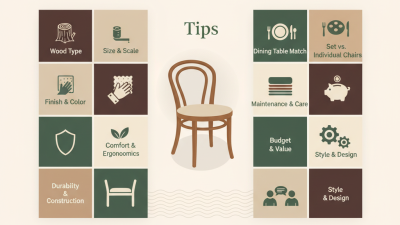
Tips: Test chairs with real staff before ordering. Ask them to sit, turn, and leave the table. Check whether chair backs touch nearby furniture. Wipe spills from sample materials, then inspect seams and edges. Durable finishes matter, but excessive hardness can make the room feel cold. I once favored narrow chairs to increase capacity, yet the tighter layout slowed service and made guests move awkwardly. That choice needed more reflection. A better plan considers comfort, cleaning time, aisle width, and the restaurant’s expected dining pace. Short trials reveal problems early.

The Main Features Used to Classify Casual Dining Chairs

Top 10 Types of Casual Dining Chairs for Restaurants

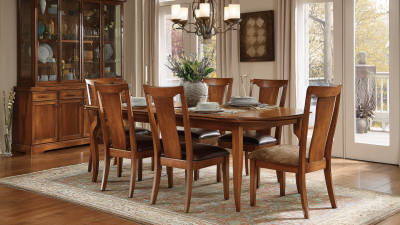
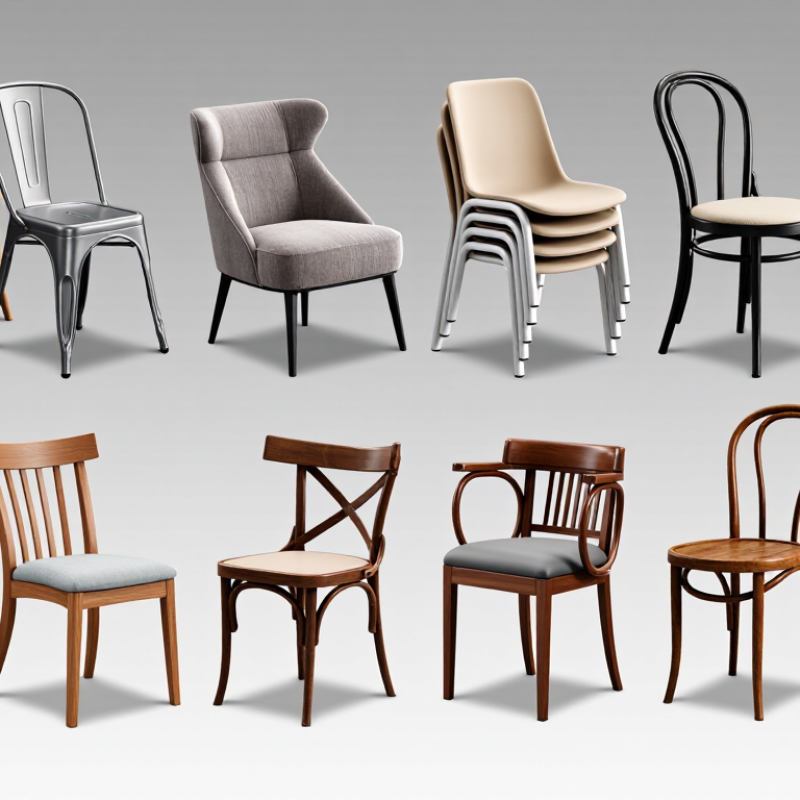
Casual dining chairs are classified by frame, seat construction, back shape, height, and maintenance needs. Common types include solid-wood four-leg chairs, metal-frame chairs, cross-back chairs, ladder-back chairs, Windsor chairs, bentwood chairs, upholstered side chairs, molded-shell chairs, armchairs, and stackable chairs. Each type creates a different guest experience. Cross-back designs feel relaxed and decorative, while molded shells offer quick cleaning after busy service.

The frame affects stability and floor protection. Wood often adds warmth, but careless moisture control can cause swelling. Metal supports frequent use, although poorly finished surfaces may feel cold or scratch floors. Upholstered seats improve comfort during longer meals, yet fabric can hold spills and odors. Armrests provide better support, but they require wider table spacing. Stackable chairs save storage space, though repeated stacking may damage edges over time. I have found that appearance alone is a weak selection method.

Tips:

Test every chair with a real dining table. Check knee clearance, seat depth, wobble, and cleaning time. Ask staff to move several chairs together. Small details matter. A chair may look excellent in a showroom but feel tiring after two hours. Keep sample units in the dining area for several days. Record guest comfort, staff handling, and visible wear. The most practical choice is rarely the most fashionable one.

Ten Common Types of Casual Dining Chairs for Restaurant Interiors

Casual dining chairs shape comfort, traffic flow, and the restaurant’s visual rhythm. The ten common types include side chairs, armchairs, ladder-back chairs, Windsor chairs, bentwood chairs, cross-back chairs, metal bistro chairs, upholstered chairs, stackable chairs, and counter-height chairs. Each type communicates a different mood. Bentwood chairs feel warm and familiar. Metal bistro chairs suggest a lively, urban setting. Upholstered chairs support longer meals, but they need stain-resistant fabrics and careful cleaning.

The National Restaurant Association’s 2024 State of the Restaurant Industry Report projected restaurant sales above 1 trillion dollars in the United States. That scale makes durability a practical design issue, not a minor detail. ENERGY STAR reports that restaurants can use five to seven times more energy per square foot than other commercial buildings. Easy-to-clean chairs may reduce maintenance pressure and support faster table turnover. However, this connection is not perfect. Chair selection alone cannot solve operational waste.

Tips: Match chair weight with staff routines. Heavy armchairs may look premium, yet they slow rearrangement. Stackable chairs help during private events and seasonal layout changes. Test seat height with the actual table before ordering. A chair can look elegant in a showroom and feel awkward after forty minutes. Leave enough clearance for knees, bags, and passing servers. Slightly imperfect mock-ups reveal more than polished renderings. Feedback from staff should influence the final mix.

How to Choose Chairs for Comfort, Space, Style, and Durability

Top 10 Types of Casual Dining Chairs for Restaurants

How to Choose Chairs for Comfort, Space, Style, and Durability

The National Restaurant Association’s 2024 State of the Restaurant Industry report projected restaurant sales above $1 trillion in the United States. That scale makes seating decisions operational, not decorative. Guests may forgive a simple finish. They rarely forgive numb legs, unstable frames, or cramped tables.

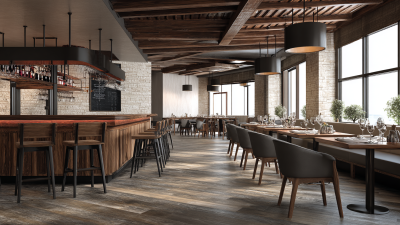
Start with comfort and circulation. Side chairs suit compact dining rooms and move easily during cleaning. Armchairs feel more generous, but their wider footprint can reduce aisle space. Bar stools support counters and high-top tables, while booths improve privacy and use wall space efficiently. Leave enough clearance for servers. A beautiful chair that blocks a service path is a costly mistake.

Style should follow the room’s materials, lighting, and customer profile. Bentwood chairs create warmth. Metal chairs suggest speed and resilience. Upholstered seats soften noise, though fabric needs careful performance testing. The 2024 U.S. Bureau of Labor Statistics Consumer Expenditure report shows food-away-from-home spending remains a major household expense category, so visible comfort supports perceived value. Still, style can mislead. I have seen soft seats look inviting but flatten quickly under heavy turnover.

For durability, request commercial-grade testing, reinforced joints, replaceable glides, and cleanable surfaces. BIFMA performance standards provide useful benchmarks for seating safety and strength. Test sample chairs in the actual room, with staff walking around them. Measure seat height, table clearance, stacking space, and cleaning time. Small details matter. A two-centimeter mismatch can become daily frustration.

Top 10 Types of Casual Dining Chairs for Restaurants? - How to Choose Chairs for Comfort, Space, Style, and Durability

Chair Type Best Restaurant Setting Typical Seat Height Comfort Profile Space Efficiency Style Characteristics Durability Key Selection Consideration
Classic Wooden Side Chair Family restaurants, cafés, bistros, and all-purpose dining rooms 17–19 in
(43–48 cm)
Good for everyday meals; improved with a shaped backrest and padded seat Good; narrow frames usually fit standard table layouts efficiently Warm, traditional, versatile, and easy to coordinate with many interiors High Choose commercial-grade joinery, a sealed finish, and replaceable glides
Upholstered Dining Chair Casual restaurants where guests may stay for longer meals 17–19 in
(43–48 cm)
Very good cushioning and back support; comfortable for extended sitting Moderate; padded arms or wide seats require additional clearance Soft, refined, welcoming, and available in many fabric or vinyl finishes Medium–High Use stain-resistant, commercial-use upholstery that can be cleaned frequently
Metal Bistro Chair Urban cafés, patios, food halls, and modern casual dining spaces 17–19 in
(43–48 cm)
Fair to good; a contoured back or seat pad significantly improves comfort Very good; slim profiles support compact table arrangements Industrial, European café-inspired, clean-lined, and visually lightweight High Select a corrosion-resistant finish and protective feet for hard flooring
Molded Plastic Chair High-turnover dining rooms, casual cafés, terraces, and family venues 17–19 in
(43–48 cm)
Good when ergonomically shaped; optional cushions add softness Excellent; many models are lightweight and stackable Contemporary, colorful, informal, and easy to match with bright interiors Medium–High Look for UV-stable, impact-resistant material and a smooth, nonporous surface
Bentwood Chair Bistros, coffee shops, neighborhood restaurants, and design-focused interiors 17–19 in
(43–48 cm)
Good posture support from a curved back; seat padding can increase comfort Good; curved frames often maintain a compact footprint Organic, Scandinavian-inspired, elegant, and visually warm Medium–High Inspect the steam-bent joints and choose a moisture-resistant protective coating
Ladder-Back Chair Traditional casual dining rooms, diners, cafés, and rustic interiors 17–19 in
(43–48 cm)
Good ventilation and moderate lumbar support; seat cushions may be useful Good; usually slimmer than fully upholstered chairs Classic, farmhouse, country-style, and approachable High Check that the back rails are securely joined and the frame does not wobble
Restaurant Armchair Feature tables, private dining areas, and restaurants emphasizing comfort 17–19 in
(43–48 cm)
Very good upper-body support and easier entry and exit for many guests Lower; arms require more width and careful table clearance planning Comfortable, substantial, welcoming, and suitable for accent seating Medium–High Measure arm height and width so the chair slides fully beneath the table
Stackable Banquet Chair Multi-use restaurants, event dining rooms, and spaces with changing layouts 17–19 in
(43–48 cm)
Good for standard meal periods; padding and shaped backs improve support Excellent for storage; stacking reduces the required floor area when unused Practical, uniform, and adaptable to frequent rearrangement High Confirm the safe stack quantity and use a stable dolly for frequent movement
Rattan or Woven Chair Tropical restaurants, garden cafés, patios, and relaxed coastal interiors 17–19 in
(43–48 cm)
Good airflow and a flexible seat; a cushion is often preferred for long meals Good; lightweight designs are relatively easy to reposition Natural, relaxed, textured, and visually suited to leisure-oriented dining Medium For outdoor use, choose synthetic woven material rated for UV and moisture exposure
Counter-Height Dining Chair Kitchen counters, high communal tables, bar areas, and elevated dining zones 24–27 in
(61–69 cm)
Comfort depends on a footrest, supportive back, and adequate legroom Good when matched correctly to counter height; unsuitable for standard tables Casual, social, space-saving, and appropriate for open-kitchen concepts Medium–High Match the seat height to the counter and provide a durable, accessible footrest

Typical seat heights are general commercial ranges. Always verify the table height, clearances, applicable safety requirements, and intended indoor or outdoor use before purchasing.

Care, Safety, and Long-Term Maintenance of Restaurant Chairs

Casual dining chairs may include wooden side chairs, metal chairs, molded plastic seats, upholstered chairs, armchairs, and counter stools. Each type needs a different care routine. Wood needs a dry cloth and quick spill removal. Metal frames should be checked for rust, loose screws, and sharp edges. Upholstery requires regular vacuuming, while stains should be treated with a cleaner approved for its fabric.

Safety inspections should happen weekly, especially in busy restaurants. Rock each chair gently to detect movement. Check welds, joints, glides, and seat fasteners. A chair that wobbles on a flat floor should leave service immediately. Do not stack chairs higher than the manufacturer allows. Poor stacking can damage frames and injure staff. A maintenance log creates accountability, although busy teams sometimes skip it. That weakness needs honest review.

Tips: Keep a small repair kit nearby. Use felt glides on hard floors. Dry wet seats quickly. Never drag chairs across tile. Train staff to report cracks, loose legs, and exposed staples. Rotate chairs between tables when possible, so wear remains even. Recheck repaired chairs before customers use them. Candor matters here: a chair may look clean but still hide a weakened joint. Record repeated failures, then reconsider the chair type, cleaning method, or daily workload.