
Exterior Decorative Wall Panels are surface systems fitted to a building’s outside walls. They add texture, color, and visual depth. Some products may also help protect the wall beneath them, depending on their material, design, and installation. Options range from wood-look boards and fiber cement to metal, composite, and stone-effect panels. Each creates a different impression: narrow vertical boards can make an entrance feel taller, while broad panels may give a façade a calmer, more continuous appearance.
The right choice depends on more than appearance. Consider local weather, the existing wall substrate, drainage, fixing methods, and the manufacturer’s installation guidance. A panel that performs well on a sheltered porch may not suit a wind-exposed wall. Details matter. Joints, corners, window trims, and the space behind the panels can affect both the finished look and long-term maintenance. Ask for product specifications and examples of completed projects, and check that the proposed system suits your building. A sample viewed outdoors can reveal color changes that indoor lighting hides.
This guide explains what Exterior Decorative Wall Panels are, how common types differ, and what to consider before choosing them. It also looks at installation and upkeep, because even an attractive façade can disappoint when practical details are overlooked. No panel is maintenance-free in every setting. That is worth remembering. Careful planning can make the exterior more distinctive, but it cannot compensate for an unsuitable product or poor workmanship.
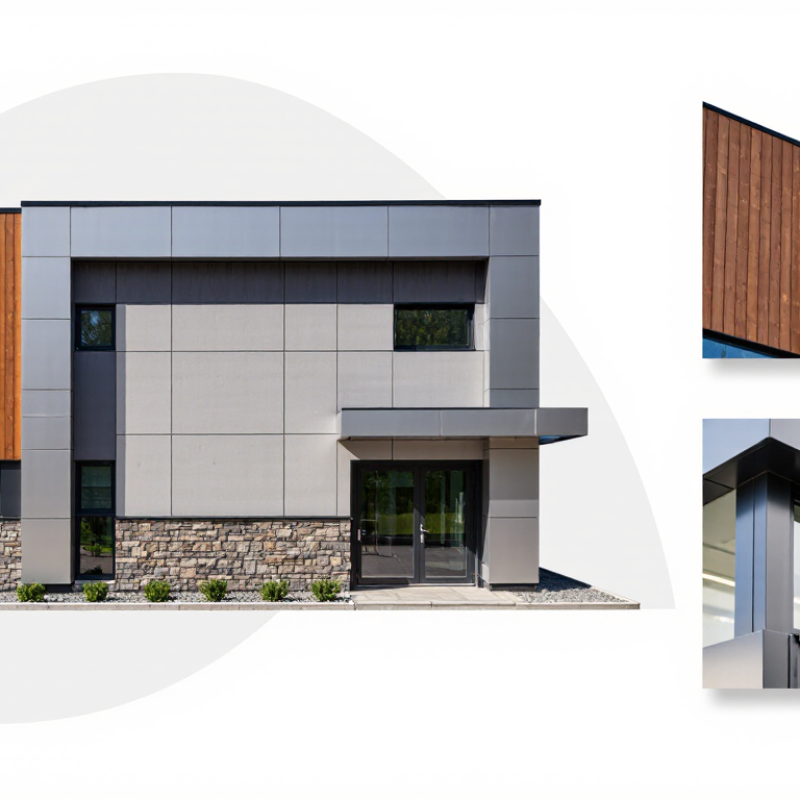
Exterior decorative wall panels are manufactured facing pieces fitted over a building’s outside walls. They create a chosen look, such as narrow vertical lines, broad smooth surfaces, or a wood-like grain. Panels may be made from fiber cement, metal, treated timber, or polymer-based materials. Their weight, finish, and fixing method vary, so the wall behind them matters.
They are not structural. In most installations, panels attach to framing or a prepared substrate, while the wall assembly manages water and heat. Small gaps and joints are intentional; they allow for drainage and movement as temperatures change. A panel that looks sealed from the ground may still need careful flashing around windows, corners, and the base of the wall. Details matter.
The term “decorative” can be a little misleading. Appearance is one purpose, but exterior panels also face rain, sunlight, wind, and temperature swings. Check the product’s suitability for the local climate, cleaning needs, and installation requirements before choosing a finish. A dark surface may become noticeably hot in direct sun, while textured grooves can collect dust. Even attractive panels need occasional inspection.
What Are Exterior Decorative Wall Panels?
Common Materials and Panel Types
Exterior decorative wall panels add texture, color, and visual structure to a building’s outer walls. Their performance depends on the material, local weather, and how well the wall is prepared. Fiber cement panels are made with cement and reinforcing fibers. They can resemble painted timber or masonry, and they resist rot, though they are heavy and need careful handling. Wood panels offer natural grain and warmth. They need suitable coatings and periodic inspection, especially where rainwater collects. PVC panels are lightweight and easy to clean, but heat and sunlight can affect some products. Aluminum panels create crisp lines and resist corrosion when properly finished. Details matter.
Panel types include lap boards, vertical boards, flat sheets, and modular or interlocking panels. Lap boards overlap like traditional siding, while flat sheets create a cleaner, more contemporary look. Vertical boards can make a low façade feel taller. Some systems use a ventilated cavity behind the panels, which can help manage moisture when designed and installed correctly. The terminology can be confusing: “decorative” describes appearance, not a guaranteed level of protection. Check the manufacturer’s specifications for fire performance, fastening, and climate suitability. A small sample helps reveal how the finish looks in changing daylight.
Typical panel thickness by material
Bars show the midpoint of representative thickness ranges. Actual dimensions vary by product and installation system; check manufacturer specifications for exterior use.
What Are Exterior Decorative Wall Panels?
How Exterior Wall Panels Enhance Buildings
Exterior decorative wall panels add a finished layer to a building’s outside walls. They come in varied textures, colors, and formats, from smooth, muted surfaces to panels that resemble stone or timber. Used thoughtfully, they can give a plain façade depth and help define entrances, upper floors, or other architectural features. The visual effect can be striking without changing the building’s basic shape.
Panels can also help shield the wall beneath from rain, wind, and everyday wear. Their performance depends on the complete wall system, including drainage, ventilation, insulation, and carefully sealed joints. Details matter. A narrow seam near a window may affect both the appearance and the way water drains. Decorative panels alone do not guarantee better energy efficiency; that depends on the materials and installation.
For a building owner, panels may offer a practical way to refresh an aging exterior or coordinate different sections of a façade. They can also create maintenance needs, since dirt, fading, or damage may show differently across finishes. A small material sample can look different across a large, sunlit wall, so reviewing it on site is useful. Not every façade needs more texture. Choosing a finish that suits the building and its local conditions usually matters more than following a trend.
| Panel Type | Typical Appearance | How It Enhances a Building | Practical Considerations | Common Uses |
|---|---|---|---|---|
| Fiber-cement panels | Available in smooth, textured, or wood-grain finishes and a range of colors. | Creates a clean, consistent façade and can provide the appearance of painted timber or masonry. | Panels are generally durable, but cutting, fastening, joint detailing, and installation should follow the product specifications. | Residential façades, additions, and commercial exteriors. |
| Metal panels | Often formed from aluminum or steel, with flat, ribbed, or cassette-style profiles. | Adds a crisp, contemporary look; profiles and finishes can create visual depth and emphasize building lines. | Finish selection, corrosion protection, thermal movement, drainage, and careful detailing around openings are important. | Modern homes, offices, retail buildings, and feature elevations. |
| Terracotta panels | Fired-clay units in natural earth tones, commonly with matte or glazed surfaces. | Brings color, texture, and a warm architectural character to exterior walls. | Requires a suitable support and fixing system; panel weight, joints, and local climate conditions should be considered. | Institutional, commercial, and contemporary residential façades. |
| Natural-stone panels | Stone surfaces with naturally varied colors, patterns, and textures. | Provides a substantial, distinctive appearance and can make entrances or lower façade areas stand out. | Stone type affects weight, porosity, and maintenance needs. Structural support and secure fixing are essential. | Entry features, accent walls, and façades designed for a natural material look. |
| Wood or wood-look panels | Natural timber boards or manufactured panels designed to resemble wood grain. | Adds warmth and visual contrast to façades, especially when paired with masonry, glass, or metal. | Natural wood needs appropriate weather protection and periodic maintenance. Product suitability depends on exposure and installation details. | Residential cladding, balconies, soffits, and architectural accents. |
| High-pressure laminate panels | Manufactured panels available in solid colors, patterns, and wood- or stone-inspired finishes. | Offers a uniform, design-led finish and allows contrasting colors or patterns across a façade. | Use panels specifically rated for exterior applications, with compatible fixings and a correctly designed rainscreen or support system. | Commercial façades, public buildings, and exterior feature areas. |
| Precast concrete panels | Cast surfaces that may be smooth, textured, patterned, or colored. | Creates a solid, architectural appearance and can incorporate repeated patterns or relief. | Panel weight, lifting, connections, movement joints, and structural design require professional planning. | Commercial, institutional, and large-scale residential construction. |
Exterior decorative wall panels are cladding or façade elements selected for appearance and, depending on the system, weather protection. Actual durability, insulation, fire performance, and maintenance requirements depend on the specific product, assembly, climate, and installation.
Choosing exterior decorative wall panels starts with the wall beneath them. Check whether the surface is masonry, timber framing, or an existing cladding system. Panels need compatible fasteners and a sound, reasonably even substrate. Review installation guidance for spacing, edge clearances, and moisture management. A neat sample can hide awkward corners. Measure openings and reveal depths before ordering.
Local exposure matters. Strong sun can fade some finishes, while freeze-thaw cycles and wind-driven rain test joints and fixings. Look for documented information on UV resistance, water absorption, impact performance, and suitable temperature ranges. Do not rely on a showroom sample alone. Compare a larger sample outdoors, where color and texture shift throughout the day.
Small details matter.
Weight affects handling and the wall structure; heavier panels may require additional support. Consider cleaning access, maintenance needs, and how damaged sections can be replaced. Confirm that the assembly allows drainage and ventilation when the system requires them, rather than trapping moisture behind the panels. Installation quality matters as much as the panel itself. Plans can be overly optimistic: irregular walls often need extra trimming, time, and budget. Have a qualified installer assess the actual site.
Exterior decorative wall panels can refresh a façade, but their performance depends on careful installation. Start with a sound, dry substrate and follow the panel manufacturer’s spacing and fixing instructions. Measure the wall in several places; older buildings are rarely perfectly square. Measure twice. Allow for expansion where the system requires it, and keep drainage paths and ventilation gaps clear. Water finds gaps. Use corrosion-resistant fixings suited to the panel material and local conditions. Cut panels with the recommended tools, and protect exposed edges as directed. A rushed cut near a window can leave a weak point that is difficult to repair.
Long-term care is usually simple, but it should be regular. Check panels after severe weather and during seasonal inspections. Look for loose fixings, cracked joints, trapped leaves, or water stains around openings. Clean with a soft brush and mild, material-safe cleaner; test a small area before washing the whole surface. Avoid pressure settings that could drive water behind the panels or damage their finish. Replace damaged sealant only with a compatible product, and never block drainage gaps while doing so. Keep a record of repairs and cleaning dates. Even well-installed panels may fade or move slightly over time, so inspect rather than assuming they need no attention.