10 Essential Tips for Choosing Dining Tables and Chairs that Maximize Space and Style
When it comes to designing a dining area, selecting the right dining tables and chairs is crucial for both maximizing space and enhancing style. In a world where living spaces are often at a premium, making informed choices can transform your dining experience while ensuring that every square foot serves its purpose. Whether you have a cozy apartment or a spacious home, the right combination of dining tables and chairs can create a harmonious environment that invites family and friends to gather.
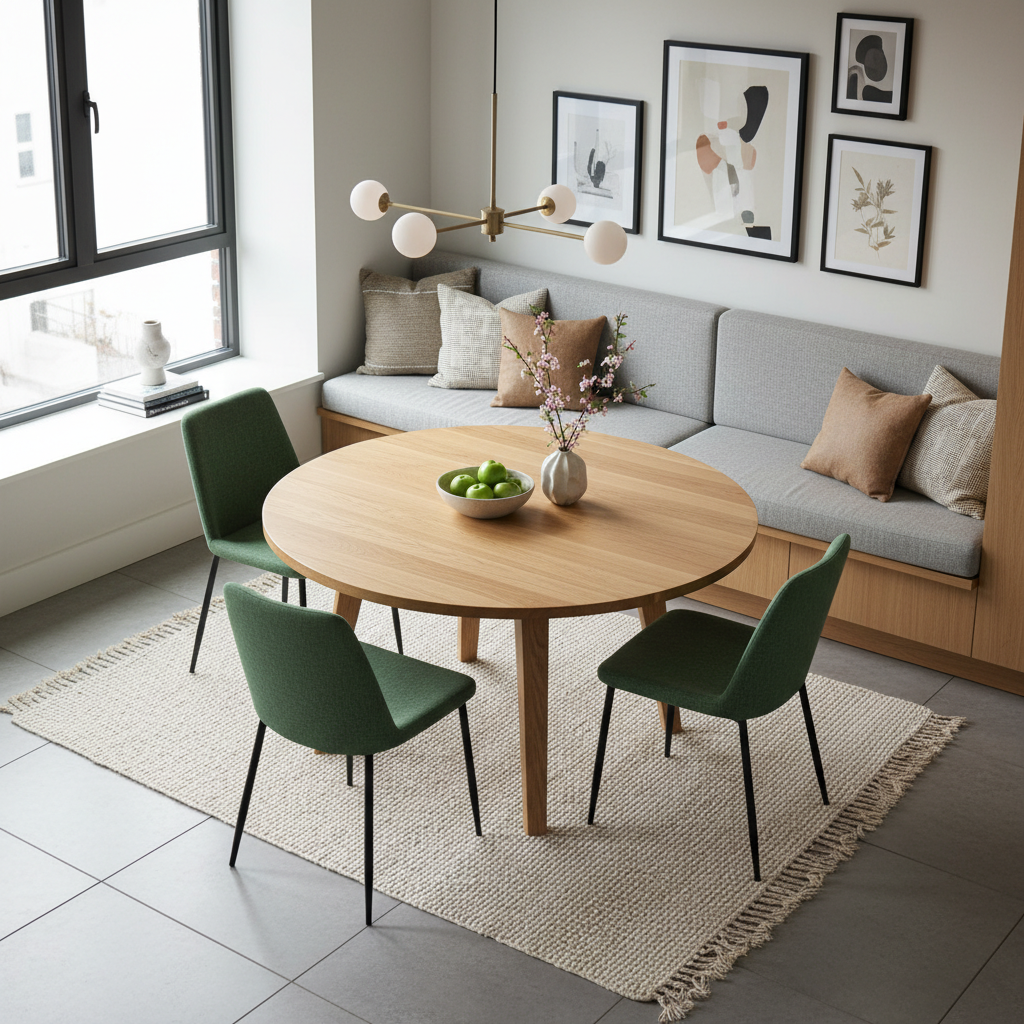
As we explore the 2025 top five essential tips for choosing dining tables and chairs, we will delve into practical considerations such as size, shape, and material, all of which play a pivotal role in the overall aesthetic and functionality of your dining space. Additionally, we will discuss styling options that reflect your personal taste while adhering to the latest design trends. By the end of this guide, you will be equipped with the knowledge to make choices that not only maximize your space but also elevate its style, ensuring that your dining area is both beautiful and practical.
Tips for Measuring Your Space Effectively to Select the Right Dining Table and Chairs
When selecting dining tables and chairs, effective space measurement is crucial to achieving a balance between functionality and style. Start by assessing your dining area’s dimensions. Measure the length and width, and don't forget to include doorways and hallways that lead to the dining space. This will help you visualize the area and avoid any potential furniture obstacles.
Next, consider the size of the dining table. A general rule is to allow at least 36 inches of space around the table for easy movement. This provides enough room for dining chairs to be pulled out fully without encountering walls or other furniture. When measuring chairs, ensure they can comfortably fit into the table’s space without overpowering it or causing clutter.
Additionally, think about the table's shape. Round tables are great for smaller spaces as they facilitate easier movement and can seat more people without the harsh edges of square corners. If your area is particularly narrow, opt for a rectangular table that can fit against a wall when not in use. Ultimately, these measurement tips will guide you in selecting a dining setup that enhances your space while reflecting your personal style.
Understanding Scale and Proportion: How to Choose Furniture That Fits Your Room
When selecting dining tables and chairs, understanding scale and proportion is crucial to creating a harmonious and functional space. According to a study by the American Home Furnishings Alliance, approximately 30% of common household complaints stem from poorly sized furniture that disrupts the flow of movement within a room. For example, a table should allow at least 36 inches of clearance between it and surrounding walls or furniture, ensuring enough space for dining and movement.
Proportion also plays a vital role in achieving a balanced aesthetic. The general rule of thumb is that the height of dining chairs should complement the table, with an ideal height differential of 10 to 12 inches between the seat and tabletop. A report from the Furniture Today indicates that consumers are increasingly prioritizing not only comfort but also the visual appeal of their dining sets, with 65% stating that they consider the overall room design when making their purchasing decisions. By keeping scale and proportion in mind, homeowners can create spaces that are both stylish and functional, enhancing their overall dining experience.
Optimal Shapes for Dining Tables: Round vs. Rectangular in Space Maximization
When it comes to optimizing your dining space, the shape of your table can significantly impact both functionality and style. Round dining tables are a fantastic choice for smaller areas as they encourage a more intimate dining experience and allow for easier movement around the table. Their softer edges can make the space feel less cramped, promoting a sense of flow in open-plan living environments. In contrast, rectangular tables often serve well in larger rooms, providing ample seating for families and guests. They can be placed against walls or in the center of a room, allowing for distinct zones in open layouts.
Selecting the right chairs to accompany your dining table is equally crucial. Choosing chairs with slim profiles can help maximize space without sacrificing comfort. Additionally, consider foldable or stackable options if your dining area requires multi-functional furniture. By understanding how the shape of your dining table interacts with the surrounding space, you can create a stylish and practical arrangement that enhances the overall aesthetic of your dining area while keeping it functional for everyday use.
10 Essential Tips for Choosing Dining Tables and Chairs that Maximize Space and Style
| Characteristic |
Round Tables |
Rectangular Tables |
| Space Efficiency |
Good for small spaces; can fit more people without feeling cramped. |
Ideal for larger spaces; offers defined seating arrangements. |
| Flexibility |
Easily accommodates extra guests by allowing for easy movement. |
Less flexible; may require additional chairs for extra guests. |
| Style Variety |
Modern and classic styles available; often seen as more casual. |
Offers a range of formal and contemporary styles. |
| Seating Capacity |
Typically seats 4-6 people comfortably. |
Seats up to 8 or more, depending on dimensions. |
| Flow of Movement |
Encourages a natural flow; easy access from all sides. |
Can create barriers if not positioned correctly. |
| Fit with Other Furniture |
Works well in kitchens and dining areas with diverse layouts. |
Fits better in rectangular or long dining rooms. |
Material Matters: Selecting Dining Furniture for Style and Durability
When selecting dining furniture, the materials you choose play a critical role in both style and durability.
Wood, for example, exudes warmth and timeless elegance, but different types can vary significantly in resilience.
Hardwoods like oak and maple are not only stunning but also stand up well to the wear and tear of daily use.
For a more modern look, metal and glass combinations can create a sleek aesthetic, while also being easy to clean and maintain.
When opting for metal, consider treatments to prevent rust and scratches, ensuring longevity.
Additionally, upholstered dining chairs offer comfort, but the fabric's durability should not be overlooked.
Look for materials that are stain-resistant or easy to clean, such as synthetic blends or treated natural fabrics.
This is especially important for families with children or pets.
Leather can be a sophisticated choice, providing both a chic appearance and easy maintenance.
Balancing style and resilience is essential; therefore, choose materials that not only fit your design preferences but also withstand the test of time and use in your home.
Incorporating Multi-Functional Dining Solutions for Small Spaces and Stylish Living
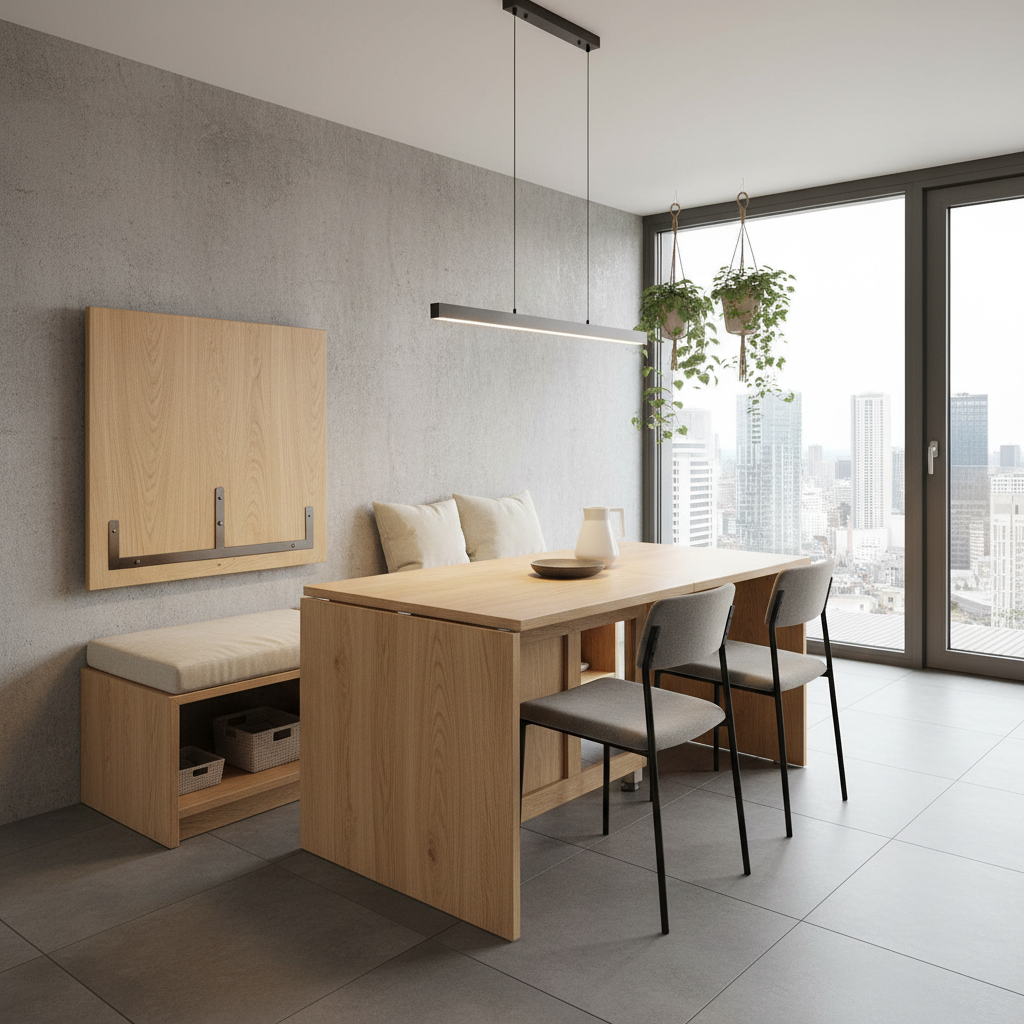
In today’s urban living, maximizing space is essential, especially in small homes where every square foot counts. One of the most effective ways to achieve a functional and stylish dining area is by incorporating multi-functional dining solutions. Consider tables that expand or fold away when not in use, allowing for flexibility while maintaining aesthetic appeal. For instance, extendable dining tables can effortlessly accommodate guests for dinner parties and then compactly return to a smaller size for everyday use.
Additionally, opt for chairs that can serve multiple purposes. Stools or benches can double as seating for both dining and as decorative elements in other parts of the home. Look for designs that can be easily tucked under the table or stacked to save space. By choosing lightweight, stylish options, you can enhance your dining experience while ensuring your space feels open and inviting. Thoughtful selection of these multi-functional pieces transforms a small dining area into a stylish hub that meets both practical and visual needs.