What is a Composite Fireproof Door and Why Choose It?
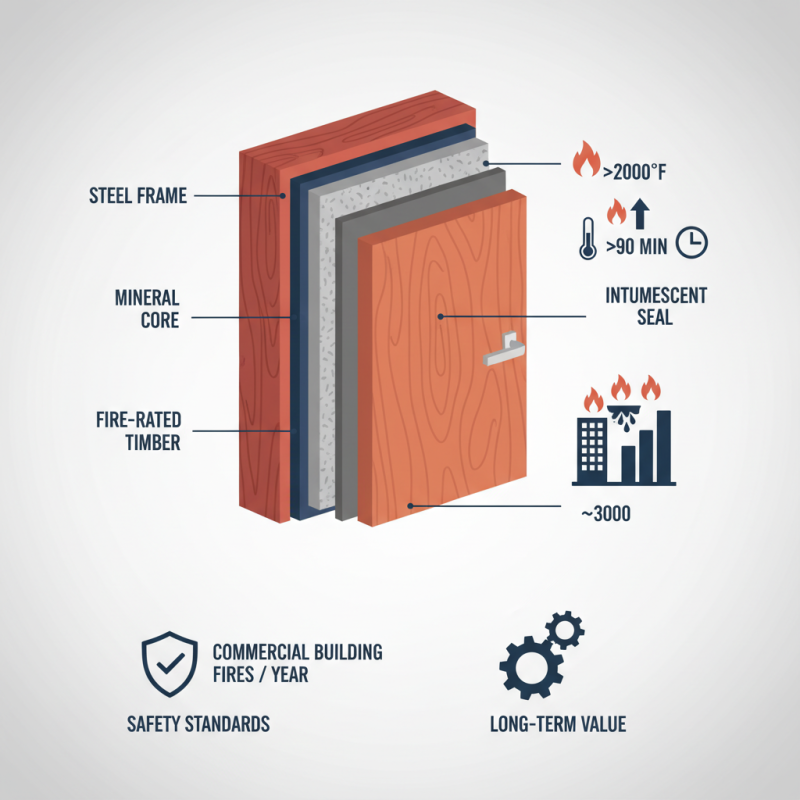
Composite Fireproof Doors offer advanced safety and durability in various building applications. As building regulations become stricter, the demand for reliable fire-resistant solutions rises. According to a report by the National Fire Protection Association (NFPA), nearly 3,000 fires occur in commercial buildings each year, underscoring the necessity for robust fire safety measures.
These doors are constructed from multiple materials that enhance their fire-resistance capabilities. In fact, a 2021 study indicated that composite doors can withstand temperatures exceeding 2,000 degrees Fahrenheit for over 90 minutes. This performance is critical in protecting lives and property during a fire emergency. Yet, choosing the right composite fireproof door can be challenging.
Many buyers overlook specific certifications and testing standards. Understanding the differences in materials, designs, and ratings is essential. The market is flooded with options, but not all provide the same level of protection. It's crucial to reflect on the importance of choosing a door that meets or exceeds safety standards. Investing in high-quality composite fireproof doors ensures better safety and long-term value for property owners.
What Defines a Composite Fireproof Door?
A composite fireproof door is designed to withstand high temperatures and resist flames. These doors are made from multiple materials, often including an inner core of fire-resistant substance. This structure offers enhanced protection compared to traditional wood or metal doors. The combination of materials helps to minimize heat transfer, maintaining safety for longer periods during a fire incident.
Durability is a key feature of composite fireproof doors. They are engineered to endure daily wear and tear while providing fire resistance. Their construction can include steel, fiberglass, or other composites that improve strength. This makes them suitable for various settings, including commercial buildings and residential spaces. Fire ratings for these doors can vary, indicating the duration they can withstand fire before compromising safety.
Choosing a composite fireproof door ensures both safety and aesthetics. They can be designed to fit various architectural styles without sacrificing functionality. However, some might argue the cost can be higher compared to standard doors. Balancing budget and safety features requires careful thought. Ultimately, the choice should reflect a commitment to fire safety and building integrity.
Fire Resistance Grades of Composite Fireproof Doors
Key Features of Composite Fireproof Doors
Composite fireproof doors combine multiple materials for enhanced safety and durability. They typically include a core of fire-resistant material, which significantly slows the penetration of heat. This design helps protect lives and property during a fire emergency.
One key feature of composite fireproof doors is their impressive fire rating. They often achieve ratings up to 90 minutes, allowing more time for evacuation. The outer layers frequently consist of steel or fiberglass, adding extra strength. This also contributes to sound reduction, making them ideal for office spaces or residential areas.
Another aspect to consider is their aesthetic appeal. Available in various styles and finishes, these doors can match any décor. However, there might be challenges in installation, especially if the door frame is not perfectly aligned. Regular maintenance is also necessary to ensure they function effectively. It is essential to weigh both benefits and potential drawbacks carefully.
What is a Composite Fireproof Door and Why Choose It? - Key Features of Composite Fireproof Doors
| Feature | Description | Benefits | Applications |
| Fire Resistance | Made from materials that can withstand high temperatures. | Protects property and lives by preventing fire spread. | Commercial buildings, industrial settings. |
| Durability | Resistant to impact and wear, ensuring a long lifespan. | Reduces maintenance costs. | Entry doors, storage areas. |
| Insulation | Provides thermal and acoustic insulation. | Improves energy efficiency and comfort. | Residential and office buildings. |
| Design Options | Available in various styles and finishes. | Aesthetic flexibility to match building decor. | Retail spaces, hotels, homes. |
| Certification | Tested and certified for fire safety standards. | Ensures legal compliance and safety assurance. | Public buildings, schools, hospitals. |
Fire Resistance Ratings: Understanding Industry Standards
Understanding fire resistance ratings is crucial for selecting a composite fireproof door. Fire resistance ratings are essential for ensuring safety in buildings. These ratings indicate how long a door can withstand fire exposure, measured in minutes. The most common ratings are 20, 45, 60, and 90 minutes. The ratings depend on the materials and construction methods used.
Composite doors often achieve higher ratings than traditional wood doors. Studies show that composite materials can endure intense heat better, providing longer protection. A report from the National Fire Protection Association states that around 80% of fire-related fatalities occur in structures that lack proper fire resistance measures. This statistic underscores the importance of choosing the right door.
It's worth noting that even a high-rated door isn't infallible. Factors like installation quality and surrounding materials can impact performance. Regular inspection is necessary to maintain effectiveness. Understanding these nuances is vital for making informed decisions when selecting a fire-resistant door.
Advantages of Choosing Composite Over Traditional Fireproof Doors
Composite fireproof doors offer numerous advantages over traditional options. Their unique construction, integrating materials like steel and engineered wood, results in enhanced durability. Reports indicate that composite doors can withstand intense heat for up to 90 minutes, significantly outperforming standard wooden doors, which usually fail within 30 minutes. This difference is critical in emergency situations, providing valuable time for evacuation.
Another notable aspect of composite fireproof doors is their weight-to-strength ratio. They are lighter yet structurally robust, which simplifies installation. According to industry studies, lighter doors reduce stress on hinges and frames, prolonging lifespan. Cost-effectiveness is also key. While initial costs may be comparable, composites require less frequent replacement and maintenance.
Aesthetically, composite doors offer design flexibility. Homeowners can choose from multiple finishes and styles, seamlessly integrating safety and style. However, misconceptions remain about their effectiveness, and some may question their long-term reliability. Understanding the science behind their design can help address these concerns. Investing in composite fireproof doors means prioritizing safety without sacrificing visual appeal.
Application Areas for Composite Fireproof Doors in Commercial Spaces
Composite fireproof doors are becoming essential in various commercial spaces. These doors are designed to provide superior fire resistance while maintaining aesthetic appeal. They are particularly useful in places like shopping malls, office buildings, and entertainment venues. In these environments, safety and security are paramount.
In shopping malls, composite fireproof doors protect against potential fire hazards. They help contain smoke and flames, allowing for safe evacuation.
In office buildings, these doors can be installed in stairwells and corridors, serving as barriers. They ensure that fire does not spread quickly. In entertainment venues, the right doors provide extra peace of mind during large gatherings.
Despite their benefits, businesses must consider installation and maintenance challenges. Proper installation is critical for effectiveness. Regular inspections are essential to ensure they function correctly over time. Some may find these doors to be cost-prohibitive, yet the safety they provide justifies the investment. Reflection on these factors is necessary for sound decision-making.