How to Choose the Best Mirror Frame for Your Home Decor?
Choosing the right Mirror frame can significantly enhance your home decor. The mirror frame is not just a functional piece; it is a key element of aesthetic appeal. According to a recent report by the Home Decor Trends Institute, 42% of homeowners believe that mirror frames are essential in creating a cohesive look in their spaces.
Today, the options for mirror frames are vast. Styles range from vintage to modern, and materials include wood, metal, and acrylic. A well-chosen mirror frame can add character to a room or serve as a focal point. However, many homeowners struggle with this decision. Does this frame fit the room's style? How does the color harmony work? These questions reflect an important aspect of interior design, where choices define the lived space.
Experts suggest measuring your wall space before selecting a mirror frame. Additionally, they emphasize ensuring that the frame complements existing furnishings and colors. A poorly chosen mirror frame can lead to a disjointed look, highlighting the need for thoughtful consideration in your selection process. By understanding your options, you can make an informed choice that enhances your decor while reflecting personal style and preference.
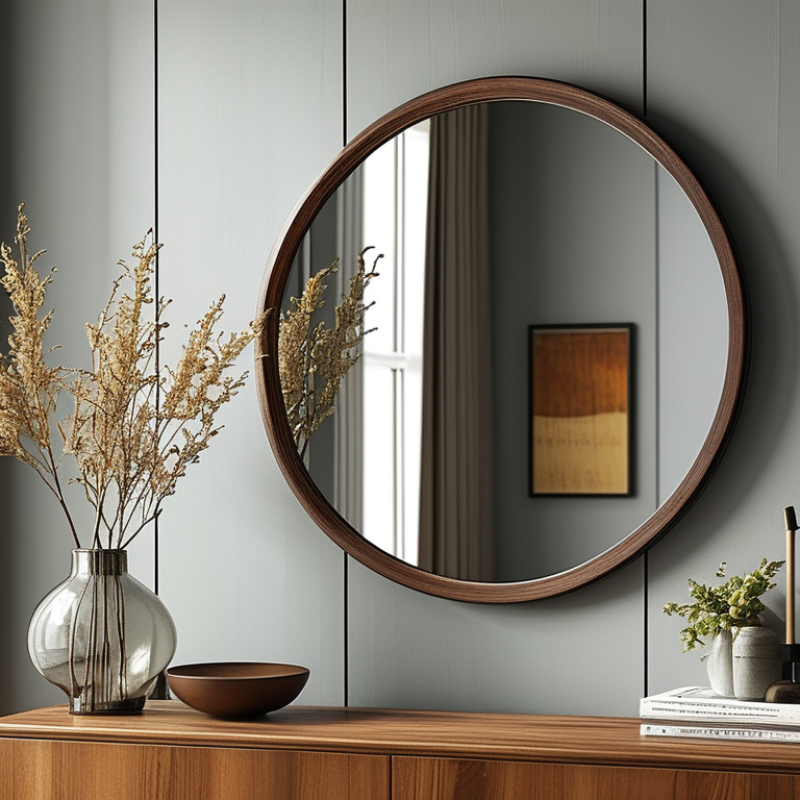
Factors to Consider When Selecting a Mirror Frame Style
Choosing the right mirror frame is crucial for enhancing your home decor. Start by considering the style of the room. Modern spaces often benefit from sleek, minimalist frames. On the other hand, traditional interiors might shine with ornate, vintage styles. Think about the environment you want to create. Each frame tells a story and can dramatically shift the room's vibe.
Color is another important factor. A frame that complements your existing palette will create harmony. However, contrasting colors can make a bold statement. Reflect on what feeling you want to evoke. A dark frame may add elegance, while a light one can promote openness.
Size also plays a vital role. A small mirror in a large room can feel lost. Conversely, an oversized mirror can dominate a cozy space. Ensure the size is proportionate to the wall and surrounding furniture. Keep in mind, each choice comes with its challenges. You want balance, but too much can lead to chaos. Reflect carefully on each aspect you choose. This process can guide you to the perfect mirror frame.
Understanding Different Materials for Mirror Frames
When selecting a mirror frame, the material plays a crucial role in both aesthetics and durability. Wood, metal, and plastic each offer distinct advantages. Wood frames, for example, evoke warmth and can enhance traditional decor. A report by the Home Improvement Research Institute found that 55% of consumers prefer wooden frames for their unique patterns. However, they may require regular maintenance to prevent warping.
Metal frames, on the other hand, deliver a sleek, modern vibe. They are often lightweight and resistant to wear and tear. According to industry data, 30% of interior designers recommend metals like aluminum or stainless steel for contemporary spaces. While metal frames generally need less upkeep, they might not always complement vintage styles effectively, creating a challenge if matching existing decor.
Plastic frames, while often seen as less elegant, can be functional and budget-friendly. They offer versatility and are available in various colors and designs. However, the drawback lies in their perceived quality, which may affect buyer confidence. A survey revealed that 40% of consumers feel uncertain about using plastic frames in upscale environments. Balancing style and function can be tricky, but understanding these materials will lead to a more informed choice.
How to Choose the Best Mirror Frame for Your Home Decor?
| Material | Advantages | Disadvantages | Best For |
| Wood | Warm appearance, customizable finishes | Can warp in humid conditions | Traditional or rustic decor |
| Metal | Durable and modern look | Can be cold or industrial in style | Contemporary spaces |
| Plastic | Lightweight and cost-effective | Not as durable as other materials | Budget-friendly designs |
| Glass | Elegant and reflective, enhances light | Fragile, can shatter | Luxury and modern interiors |
| Fabric | Softens hard edges, adds texture | Difficult to clean | Eclectic or bohemian styles |
How Frame Size and Shape Affects Home Aesthetics
Choosing the right frame for your mirror can transform a space. Frame size and shape significantly influence home aesthetics. According to a study by the American Society of Interior Designers, the correct frame can enhance a room’s perceived height and width. A taller frame can create an illusion of higher ceilings, while a wide frame can make a narrow room feel more spacious.
Shapes matter too. Round mirrors soften a room’s lines, making it feel inviting. Square or rectangular frames add structure. Research indicates that geometric shapes can impact the emotional response to a space. For example, symmetrical shapes often evoke feelings of order and calm, which can be ideal for a bedroom or office.
Consider home dimensions before choosing. A large mirror in a small space may feel overwhelming and disrupt flow. On the other hand, a small frame can look lost on a large wall. Balancing size and shape is crucial. Taking time to experiment with different styles can initially seem daunting. However, aligning choices with your existing decor will ultimately yield a harmonious space.
The Role of Color and Finish in Mirror Frame Selection
Choosing the right color and finish for your mirror frame can dramatically influence your home decor. According to a report by the Interior Design Society, 65% of homeowners believe that the color palette of their home affects their mood. A mirror with a soft matte finish can create a calming effect, while shiny metallic frames often add vibrancy and energy to a space.
When selecting a frame color, consider the surrounding decor. If your space features warm tones, a gold or bronze frame can enhance that warmth. Conversely, cooler tones often pair well with frames in silver or black. Remember, contrasting colors can also make a statement. For example, a bold red mirror frame in a mostly gray room can serve as a stunning focal point.
Reflect on your own experience when choosing. Does your space feel cohesive, or is it missing something? Try envisioning how different finishes interact with light. A glossy finish may amplify natural light, making a room feel larger. In contrast, a distressed wood frame adds a rustic touch that can evoke nostalgia. Each selection should contribute to the overall narrative of your home's design.
Matching Mirror Frames with Existing Home Decor Themes
When choosing a mirror frame, consider your existing home decor themes. Different styles evoke different atmospheres. A classic wooden frame may suit vintage interiors, while sleek metal frames can enhance modern spaces. A report from the National Kitchen and Bath Association indicates that nearly 75% of homeowners prioritize aesthetics in their design choices. Aligning your mirror frame with your overall decor can create a cohesive look.
Color is a crucial factor in matching mirror frames. A vibrant frame can serve as a statement piece. Alternatively, a neutral frame might blend seamlessly with walls and furnishings. According to interior design experts, 67% of successful home decor emphasizes color harmony. Think about using a frame that incorporates hues already present in your room. This brings unity and enhances the space's visual appeal.
Textures also play a significant role. A textured frame can add depth and interest. However, too much contrast can detract from the overall design. Aim for balance. If your room features soft fabrics, consider a smooth frame for contrast. If your decor has clean lines, a framed mirror with sharp angles might look in place. Reflect on how different materials affect the feel of your space. This mindful approach can enhance your home’s atmosphere.