Why Choosing the Right Dining Tables and Chairs Matters for Your Home?
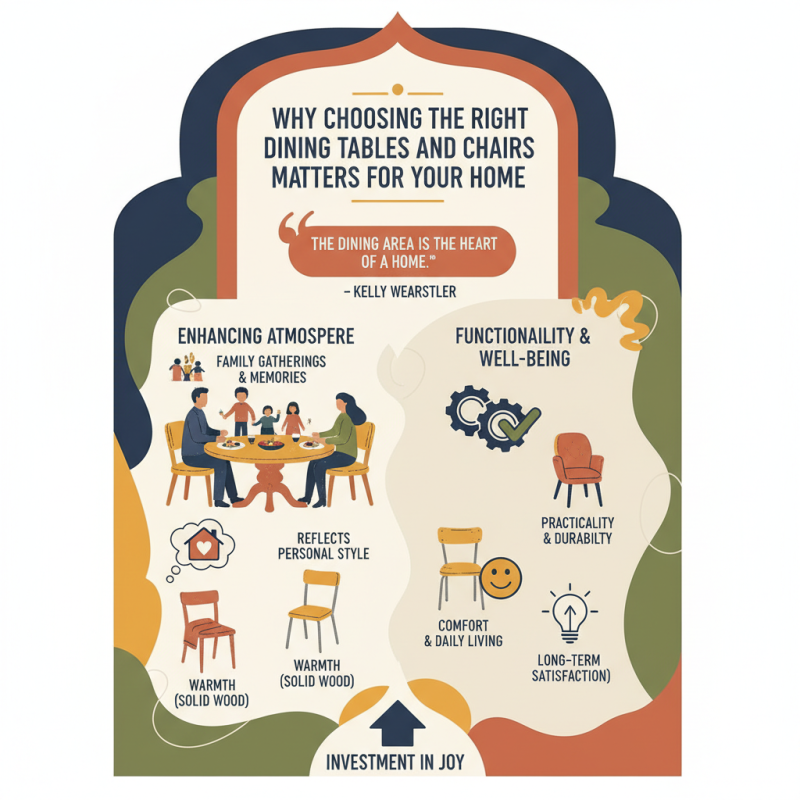
Choosing the right dining tables and chairs can profoundly enhance your home’s atmosphere. Renowned interior designer Kelly Wearstler emphasizes this by stating, "The dining area is the heart of a home." It is where families gather, share meals, and create lasting memories. The right combination of dining tables and chairs ensures comfort while reflecting personal style.
The materials and design of these pieces can influence the mood of your dining space. A solid wood table may evoke warmth, while sleek metal chairs can introduce a modern allure. However, many homeowners overlook the significance of these choices. They may gravitate towards trendy styles without considering practicality or durability.
In every home, dining tables and chairs should harmonize functionality with aesthetics. Thoughtful selections can enhance daily living experiences. It’s essential to reflect on how each piece contributes to the overall vibe. Ultimately, investing time in selecting the right dining pieces will yield long-term satisfaction and bring joy to your daily life.
Importance of Dining Tables and Chairs in Home Design
Choosing the right dining tables and chairs is crucial for your home design. They serve as the centerpiece of your dining space and reflect your personal style. A well-chosen set enhances the overall aesthetic and functionality of your home. Consider the space you have. Large tables can overwhelm smaller rooms. Conversely, petite sets may look lost in expansive spaces.
Here are some tips: Opt for a table that suits both your style and your needs. Do you often host dinners? A larger table works best. If your gatherings are small, choose a cozier option. Comfort is key in chairs. Ensure they offer adequate support. An uncomfortable seat can make dining a chore.
Pay attention to materials, too. Wood adds warmth, while metal brings a modern look. Explore textures and colors to complement other elements in your dining area. Look for pieces that tell a story or have unique character. Imperfections can add charm and create conversations around the table. Remember, your dining space should feel inviting and personal.
Factors to Consider When Selecting Dining Tables
When selecting dining tables, size is crucial. A table should fit comfortably in your dining area, leaving enough space for movement. Measure your space accurately. Consider how many people you will typically seat. A table that is too large can overwhelm a room, while a small one may feel cramped.
Material is another important factor. Wood tables add warmth and longevity, while glass offers a modern touch. However, glass can be prone to fingerprints and scratches. Think about your lifestyle. If you have children or pets, a durable surface may be more practical.
Design plays a vital role too. A table should match your home’s style. Whether it’s rustic, modern, or classic, the table’s aesthetic should reflect your taste. Remember that trends can change. Choose a design that feels timeless to you. Finding the right balance between style and functionality is essential. Enjoying meals with family and friends matters most.
Importance of Choosing the Right Dining Tables and Chairs
Different Styles of Dining Chairs and Their Impact
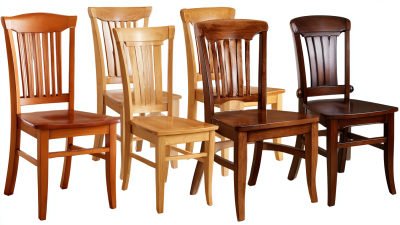
Choosing the right dining chairs can significantly alter the atmosphere of your home. Different styles serve varying purposes. For instance, upholstered chairs offer comfort but may lack durability. Wooden chairs provide sturdiness but can be less inviting. The choice often reflects personal taste while influencing functionality.
Consider the impact of color and design. A bold, red chair can energize a space, while pastel tones evoke calmness. Traditional styles may clash with modern decor, leading to a disjointed look. Mixing styles can work, but it requires a careful eye. A mismatched collection may result in chaos instead of harmony.
Reflect on the arrangement. Crowded seating can feel uncomfortable. Ensure there's enough space for movement. Balanced groupings make dining experiences more enjoyable. Ultimately, it’s not just about aesthetics; it’s about creating a welcoming environment that suits family and friends.
Material Choices for Dining Furniture: Pros and Cons
Choosing the right material for dining tables and chairs can significantly impact your home. Wood, for instance, offers warmth and character. It can create a cozy atmosphere. However, it requires regular maintenance to prevent wear and tear. Solid wood can be quite heavy and expensive, which may not suit everyone’s budget.
Metal offers a sleek, modern look. It is durable and easy to clean, making it suitable for casual dining spaces. Yet, it might feel cold or uncomfortable for long meals. Glass can bring elegance to a dining area. It visually expands the space, but it can also be prone to fingerprints and requires frequent cleaning.
Fabric upholstery adds comfort and style. Various colors and patterns can reflect personal taste. On the downside, fabrics may stain easily, especially in a family setting. Each material has its benefits and drawbacks. It's crucial to think about your lifestyle and maintenance preferences. Balancing aesthetics and functionality while considering long-term use can be challenging.
Why Choosing the Right Dining Tables and Chairs Matters for Your Home? - Material Choices for Dining Furniture: Pros and Cons
| Material |
Pros |
Cons |
| Wood |
Durable, timeless appeal, easy to repair |
Can be expensive, susceptible to scratches and moisture |
| Glass |
Modern look, easy to clean, creates a sense of space |
Fragile, can easily show fingerprints and smudges |
| Metal |
Sturdy, often lightweight, modern aesthetic |
Can be cold to the touch, limited designs compared to wood |
| Plastic |
Affordable, lightweight, easy to maintain |
Less durable, can look cheap, limited color options |
| Marble |
Luxurious look, durable, heat-resistant |
Heavy, expensive, can stain or scratch |
Creating Harmony: Coordinating Dining Table and Chair Aesthetics
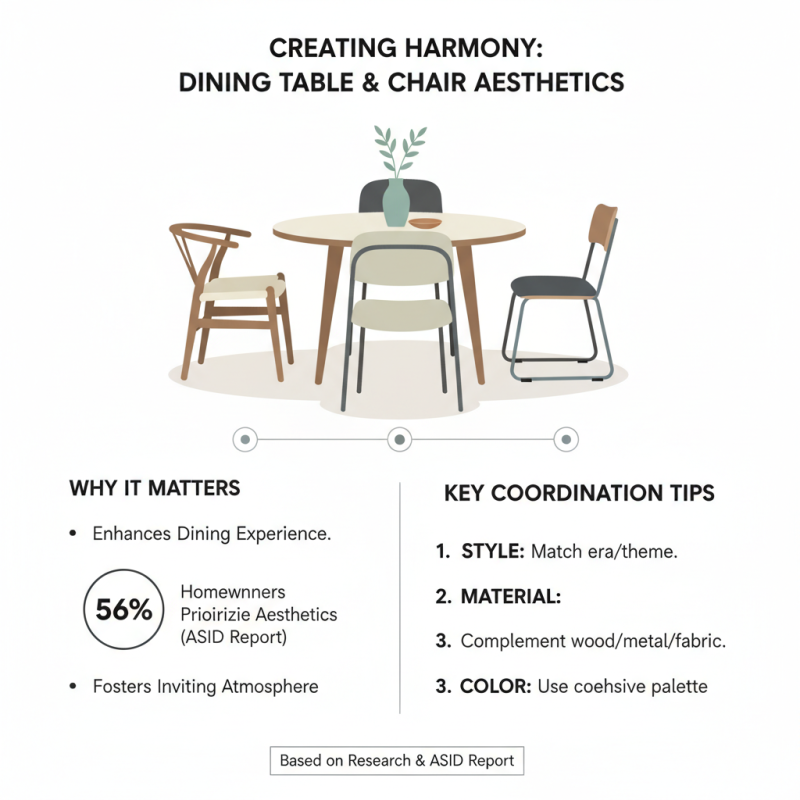
Creating a harmonious dining space is essential for both aesthetics and functionality. Research indicates that a well-coordinated dining table and chair can enhance the dining experience. According to a report by the American Society of Interior Designers, 56% of homeowners prioritize aesthetic appeal when selecting dining furniture. This means that a careful selection can foster an inviting atmosphere.
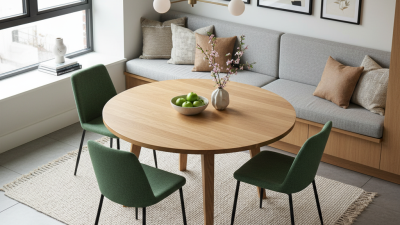
When choosing dining chairs, consider their height in relation to the table. An ideal height difference is about 10-12 inches. This allows for comfortable seating and encourages conversation. A mismatched height can create discomfort, discouraging family gatherings. Additionally, the materials should complement each other. For instance, a wooden table pairs well with upholstered chairs for a warm yet elegant feel.
**Tip:** Look for colors that match or harmonize with your room's palette. A soft contrast can make the space feel more cohesive.
Texture plays a significant role as well. Combining different textures like metal and wood can create visual interest. However, be cautious; too many contrasting styles can lead to chaos. Balance is key, and sometimes imperfections can create unique focal points. Finding the right mix often requires trial and error, which is part of the creative process.
**Tip:** Experiment with different setups before making a final decision. This way, you can visualize harmony in your space.