How to Choose the Best Cold Room Door Accessories?
Choosing the right Cold Room Door Accessories is crucial for optimal efficiency and safety in cold storage facilities. These accessories include seals, handles, and locking mechanisms that impact temperature control and energy use. A well-equipped cold room enhances product preservation and can save significant costs.
To select the best accessories, consider the specific needs of your operation. Factors like the frequency of use, the size of the door, and the type of goods stored play a vital role. High-quality heavy-duty hinges can support larger doors, while anti-bacterial seals help maintain hygiene. Paying attention to these details can avoid costly errors in the long run.
However, many overlook the importance of reliability in Cold Room Accessories. Choosing the cheapest option may seem cost-effective initially but can lead to failures and increased maintenance costs. Reflecting on past purchases helps identify reliable brands that prioritize quality and longevity. Therefore, investing in the right Cold Room Door Accessories is not just a choice; it’s essential for operational success.
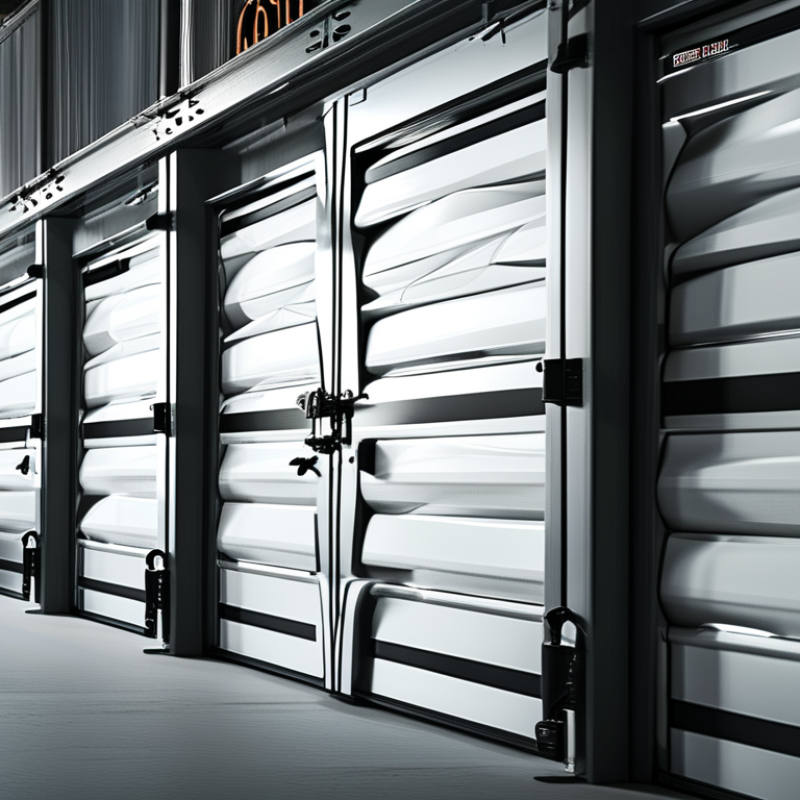
Understanding the Importance of Cold Room Door Accessories
Cold room door accessories play a critical role in maintaining the integrity of refrigerated environments. They influence temperature control and energy efficiency. Research indicates that the proper selection of seals and thresholds can reduce energy consumption by up to 30%. When doors fit properly and are well-insulated, they create airtight barriers that prevent cold air loss. This aspect is vital for businesses dealing with perishables.
The importance of high-quality accessories cannot be overstated. Damaged or low-quality components can lead to significant temperature fluctuations. These fluctuations may compromise food safety and product quality, leading to potential financial losses. According to industry reports, a single temperature deviation can cause spoilage in up to 20% of goods stored. Therefore, investing in reliable door accessories is not merely a choice; it is a necessity.
Choosing the right materials is also essential. Accessories made from durable, resistant materials tend to last longer and require less frequent replacement. For instance, stainless steel components resist corrosion and can withstand harsh environments. However, many facilities overlook this detail, opting for cheaper alternatives that may not provide the same level of longevity. Reflecting on these choices is crucial for maintaining operational effectiveness.
Cold Room Door Accessories Popularity Analysis
Types of Cold Room Door Accessories and Their Functions
Choosing the right cold room door accessories is essential for functionality and efficiency. Several types of accessories play crucial roles in maintaining the integrity of cold storage. For instance, door hinges are vital to ensure smooth operation and durability. Heavy-duty hinges can withstand frequent use. Research indicates that high-quality hinges can extend door life by up to 30%, minimizing the need for replacements.
Seals are another critical component. They prevent air leakage and ensure temperature consistency. According to industry reports, a faulty door seal can lead to a 15% increase in energy consumption. This escalates operational costs significantly. Proper insulation eliminates cold air loss, making the stored items last longer. Many facilities overlook seal maintenance, which can lead to larger problems.
Additionally, door closers aid in automatic sealing. They help doors shut completely, reducing the risk of accidental openings. This accessory especially benefits high-traffic areas where manual handling could lead to errors. However, not all closers provide the same efficiency. Some users may find difficulties in choosing the right force settings. The wrong adjustments can inhibit proper door function, causing frustration. Understanding these accessories is key to optimizing cold room performance.
Key Considerations When Selecting Cold Room Door Accessories
When selecting cold room door accessories, there are several key considerations to keep in mind. First, the thermal insulation properties of the accessories are critical. According to industry reports, poor insulation can lead to a 10-20% increase in energy costs. Choosing accessories that minimize heat transfer ensures efficiency and maintains the desired temperature.
Another factor to consider is the durability of the materials. Cold rooms often face harsh conditions. For instance, stainless steel parts can withstand corrosion better than plastic ones. This durability affects long-term costs and replacement rates, making it essential to invest wisely.
Pay attention to the ease of operation. Accessories that are user-friendly can enhance workflow efficiency. Complicated door mechanisms may cause delays, impacting productivity.
Tips: Always verify the compatibility of accessories with existing infrastructure. Regular maintenance checks are essential, even for high-quality components. Don't overlook minor details; they can lead to significant issues over time.
Material Quality and Durability in Cold Room Accessories
When selecting cold room door accessories, material quality and durability play crucial roles. Notably, the construction material affects insulation properties. Reports indicate that door accessories made from high-density polyethylene (HDPE) provide superior thermal performance. HDPE resists moisture and offers a lifespan exceeding 20 years in cold storage conditions. This contrasts starkly with lower-quality materials prone to wear.
The seals and hinges used also impact longevity. Durable seals minimize air leaks, ensuring energy efficiency. A study published by the International Institute of Refrigeration found that proper sealing can reduce energy costs by up to 30%. Hinges constructed from stainless steel present a better option than plastic alternatives. They withstand corrosion and heavy usage without deterioration.
However, not all products meet the necessary standards. Some accessories claim durability but fail in rigorous situations. Regular inspections are essential to identify wear and tear, as neglect may lead to increased energy expenses. Choosing reliable accessories requires careful evaluation of specifications and user reviews. Investing in high-quality materials upfront can provide long-term benefits, although discerning the best options requires diligence.
Installation and Maintenance Tips for Cold Room Door Accessories
When it comes to cold room door accessories, installation and maintenance play a crucial role in ensuring efficiency. Start by carefully reading the installation manual. Each component has specific requirements that must be understood. If the door seals are not aligned properly, temperature control can become problematic. Over time, seals wear out, leading to energy loss.
Regular maintenance checks are vital. Inspect the seals every month. Look for cracks or tears that may hinder performance. Tighten any loose hardware to prevent door misalignment. A door that does not close properly can invite moisture, leading to mold and other issues. Additionally, applying lubrication to hinges can aid smooth operation.
Reflect on your current installation process. Are you taking shortcuts? Make sure to allocate enough time for thorough checks. A rushed installation might save time initially but could lead to larger costs down the road. Establish a maintenance schedule to stay ahead of potential problems. Proactive steps can extend the lifespan of your cold room door accessories significantly.