How to Choose the Best Wood Dining Room Chairs for Your Home?
Choosing the right wood dining room chairs is essential for creating a welcoming space. These chairs serve not only as functional seating but also as key design elements in your dining area. With various styles, finishes, and sizes available, it can be overwhelming to find the perfect option.
Consider the wood type and finish. Oak, walnut, and maple each provide distinct looks. The finish can affect the overall ambiance of your room. Think about comfort as well. Many wood dining room chairs may lack cushioning. This can lead to discomfort during long meals or gatherings. Investing in quality chairs can make a big difference in your dining experience.
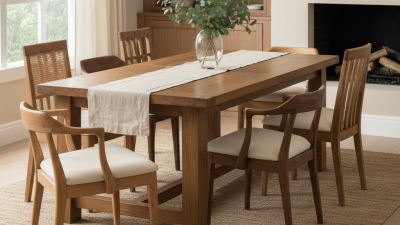
Take the time to reflect on your home’s style. Some wood dining room chairs may not fit the overall theme. A mismatch can disrupt the harmony of your space. Explore various combinations and find the balance that works for you. Your dining area should reflect your personality while ensuring comfort and functionality.
Understanding Different Types of Wood for Dining Room Chairs
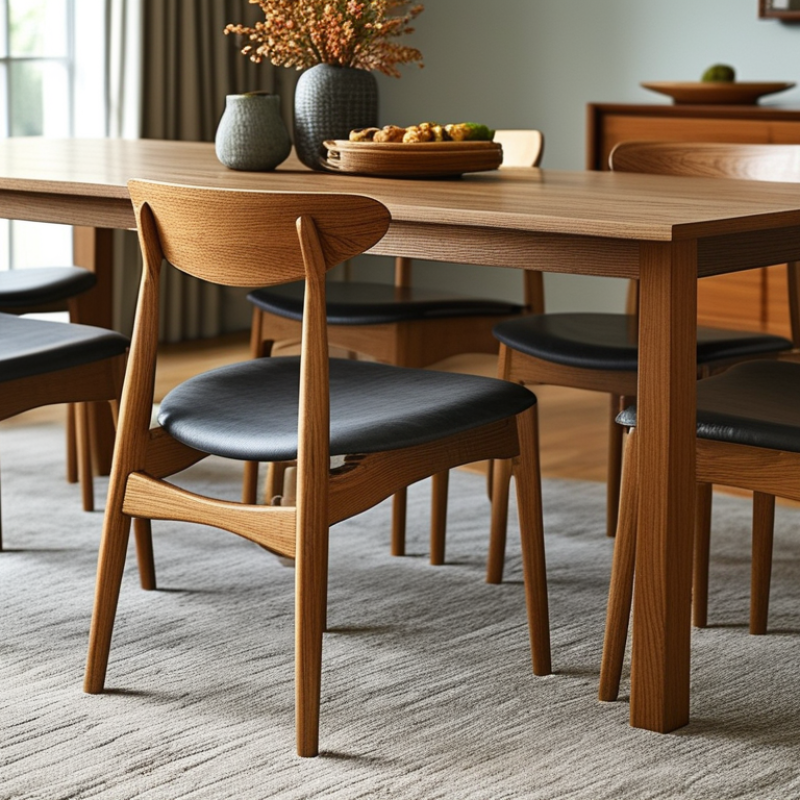
When selecting wood dining room chairs, it’s crucial to understand the different types of wood available. Hardwoods like oak and maple are popular due to their durability and aesthetic appeal. According to recent industry reports, 70% of consumers prefer hardwood chairs, often valuing longevity and style over initial costs.
Softwoods, like pine, may be more affordable but often lack the strength of hardwoods. They can, however, add warmth to your dining space. A study found that 65% of homeowners opt for softwood chairs for casual settings, highlighting their versatility. Consider the weight and finish of the wood; these factors affect both comfort and appearance.
Tips: Prioritize wood grain and color. It impacts how well the chair blends with your existing décor. Test chair comfort by sitting for a few minutes—your knees should be at a right angle. Finally, think about maintenance; some woods require more upkeep than others. Choosing the right wood can create a lasting impact on your dining experience.
How to Choose the Best Wood Dining Room Chairs for Your Home? - Understanding Different Types of Wood for Dining Room Chairs
| Wood Type |
Durability |
Appearance |
Cost |
Maintenance |
| Oak |
Very Durable |
Classic and Warm |
Moderate |
Low |
| Maple |
Durable |
Smooth and Modern |
Moderate |
Low |
| Walnut |
Very Durable |
Rich and Dark |
High |
Moderate |
| Pine |
Less Durable |
Light and Casual |
Low |
Low |
| Cherry |
Durable |
Warm and Elegant |
High |
Moderate |
Evaluating Chair Styles to Match Your Dining Room Aesthetic
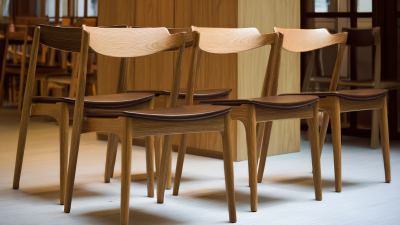
Choosing the right wood dining room chairs significantly impacts your overall dining experience. When evaluating chair styles, consider the aesthetic of your dining room. For a modern look, sleek designs with clean lines work well. These can be paired with minimalist tables and neutral palettes for a cohesive feel.
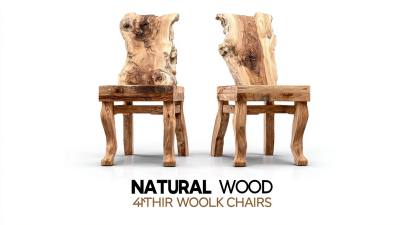
If your dining area leans toward a rustic vibe, opt for chairs that showcase natural wood grains. Simple, handcrafted designs can add warmth and charm. Consider how these chairs interact with your existing décor. It's essential to ensure they don't clash with your table or other furnishings.
Pay attention to comfort. A beautiful chair may look appealing but not offer sufficient support. Test the chairs you’re considering. Sit in them for a few moments. Is the height appropriate? Does it feel right? These details are crucial for an enjoyable dining experience. Sometimes, unique chair styles can seem inviting but may lack practicality. It’s important to strike a balance between aesthetics and functionality.
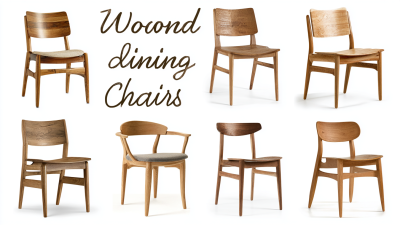
Evaluation of Wood Dining Room Chair Styles
Assessing Comfort and Ergonomics in Wood Dining Chairs
When selecting wood dining chairs, comfort and ergonomics are critical. A well-designed chair improves posture and reduces strain during meals. Research indicates that nearly 70% of people experience discomfort from prolonged sitting. The best chairs promote proper spinal alignment and support body weight evenly.
Look for chairs with a seat height between 17 to 19 inches. This range accommodates most people comfortably. Armrests should be at a height that allows easy entry and exit from the chair. A study from the Journal of Ergonomics highlights that a slight curve in the seat back enhances comfort, promoting a natural seating position. For example, a rounded backrest supports lumbar regions effectively.
Materials also play a role in comfort. Solid wood offers durability and support. However, some finishes could affect comfort over time. It’s crucial to test a chair before purchasing. Rocking or shifting can reveal potential discomfort. Not all designs will work for everyone. Personal preferences significantly impact perceived comfort. Evaluating ergonomic features is essential in your decision-making process.
Considering Durability and Maintenance for Longevity
When choosing wood dining room chairs, durability and maintenance are crucial factors. According to the American Wood Council, hardwoods like oak, maple, and cherry offer superior strength and longevity. They can withstand daily use better than softer woods, making them an ideal choice for families and frequent entertainers. However, maintaining these chairs requires some attention. Regular dusting and occasional polishing can keep the finish intact and enhance the wood's natural beauty.
Wood chairs can face wear and tear over time, especially in high-traffic areas. A study from the National Institute of Standards and Technology highlights that well-maintained wooden furniture can last over 20 years. However, neglecting maintenance may lead to scratches and fading. It's important to apply a protective finish and keep them out of direct sunlight to minimize potential damage. Reflecting on these details can help ensure your investment remains functional and aesthetically pleasing for years to come.
Measuring Space and Size for Optimal Chair Selection
When selecting wood dining room chairs, measuring your space is crucial. Start by determining the dimensions of your dining area. This involves measuring both the length and width. You need enough room to move around comfortably. Typically, allow at least three feet between chairs and walls. This space ensures ease of access and a pleasant dining experience.
Next, consider the height of your dining table. Most dining chairs range from 18 to 20 inches in height. Ensure your chair height complements the table. A good rule of thumb is to have about 10 to 12 inches of space between the seat and the tabletop. This measurement affects comfort significantly. If your chair is too high or low, it will disrupt the flow of your meals.
Also, evaluate the scale of the chairs in relation to your space. Oversized chairs can overwhelm a small room. Conversely, small chairs may appear lost in a large area. Test chair placement by using tape to outline their footprint on the floor. This visual aid can reveal potential issues. It's important for the movement and sight lines to feel balanced. Reflect on how these elements create a cohesive look.