
How to Buy Fluted Coupe Glasses in Bulk?
Buying Fluted Coupe Glasses in bulk can suit restaurants, hotels, event planners, and retailers seeking a consistent look across many tables. The narrow stem and ridged bowl catch light, while the coupe shape gives cocktails a clean, distinctive presentation. Yet appearance is only part of the decision. Capacity, glass thickness, rim finish, weight, and overall stability all affect how each glass feels in daily use.
Small details matter.
Before requesting a quote, define the quantity, delivery location, preferred dimensions, and intended use. Ask suppliers for clear product specifications, current photos, sample availability, carton dimensions, and protective-packaging details. A sample can reveal uneven fluting, a wobbly base, or a rim that feels uncomfortable—issues a product image may not show. Compare the full order cost, not just the unit price. Freight, breakage allowances, lead times, and minimum order quantities can change the value of an offer. Confirm what happens if cartons arrive damaged, and keep written records of agreed specifications.
A lower quote is not always a better deal. That is easy to overlook when a launch date is close. Supplier experience, responsive communication, and consistent quality deserve attention alongside price. For larger orders, ask whether production batches can maintain the same dimensions and finish, and check any available material or product documentation. This guide will help buyers weigh those practical factors and make a more informed choice. No checklist removes every risk, but careful questions can prevent expensive surprises.
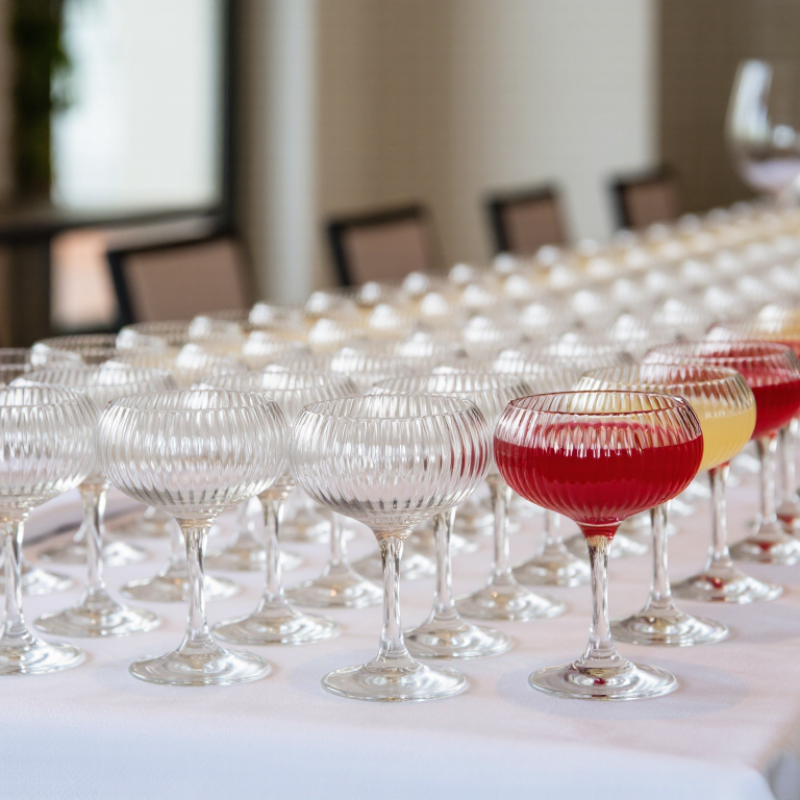
Table of Contents [Hide]
Understanding Fluted Coupe Glasses and Their Common Uses
How to Buy Fluted Coupe Glasses in Bulk?
Understanding Fluted Coupe Glasses and Their Common Uses
Fluted coupe glasses have a shallow, rounded bowl, a narrow stem, and fine vertical ridges. The ridges add texture and help the glass catch light, while the broad opening makes garnishes easy to place. Compared with a tall glass, a coupe feels more formal but is still comfortable to hold. The rim matters. Check that it feels smooth and even, since small flaws can affect the drinking experience.
These glasses are commonly used for sparkling cocktails, champagne, and small dessert servings. Their open shape suits drinks served without much ice, but it lets aromas escape faster than a narrow flute. They also work well for layered mousse or fruit portions at receptions and dinner events. The shape is not ideal for every drink. That is worth considering before ordering a large quantity. For bulk purchases, compare bowl capacity, glass height, and whether the stems fit your storage shelves. Ask for a sample when possible, and inspect it under ordinary lighting.
Tips: Confirm carton quantities and protective packaging before placing an order. Ask how replacement pieces are handled if transit damage occurs. Check a small test batch for consistent ridges, stable stems, and easy washing. Small details count.
How to Buy Fluted Coupe Glasses in Bulk? - Understanding Fluted Coupe Glasses and Their Common Uses
| Glass Type or Buying Factor | Typical Capacity or Specification | Common Uses | Bulk-Buying Considerations |
|---|---|---|---|
| Classic fluted coupe | Often around 180–240 ml (6–8 fl oz); confirm the stated brim capacity with the supplier. | Champagne, sparkling wine, and classic cocktails such as a sidecar. | Check the usable serving capacity as well as brim capacity, since liquid is normally poured below the rim. |
| Small cocktail coupe | Often around 120–180 ml (4–6 fl oz). | Spirit-forward cocktails served without ice, including smaller cocktail portions. | Compare bowl dimensions and rim diameter to ensure the glass suits the intended drink portions. |
| Larger coupe | Often around 240–300 ml (8–10 fl oz). | Larger cocktail serves, dessert portions, or shared presentation of small desserts. | Confirm the glass’s height and overall footprint; larger bowls may require more storage and shelving space. |
| Fluted bowl design | Vertical ribs or grooves formed in the bowl; pattern depth and spacing vary by model. | Decorative presentation for cocktails, sparkling drinks, and desserts. | Request product images or a sample to assess the fluting, clarity, weight, and ease of cleaning. |
| Glass material | Common options include soda-lime glass and lead-free crystal glass. | Both are used for beverage service; material choice affects appearance, weight, and handling. | Ask for the material specification and care instructions. Do not assume a glass is dishwasher-safe unless the supplier confirms it. |
| Stem and base | Specifications vary; inspect the joint between the bowl and stem and the stability of the base. | Stemware keeps hands away from the bowl and provides a traditional coupe presentation. | Check sample glasses for wobble, chips, uneven bases, and consistent stem alignment before placing a large order. |
| Carton and packing | Pack size and protective packaging depend on the supplier and glass dimensions. | Suitable packing helps protect glasses during storage and transport. | Confirm units per carton, carton dimensions, protective dividers, shipping method, and the process for reporting breakage. |
| Order quantity planning | Estimate from the number of service stations, expected simultaneous use, and replacement stock. | Restaurants, bars, hotels, event venues, and catering operations. | Request a written quotation for the required quantity and confirm minimum order quantity, lead time, reorder availability, and sample costs. |
| Quality and compliance checks | Requirements depend on the destination market and intended use. | Commercial food and beverage service. | Request applicable food-contact documentation and inspect samples for uniform capacity, clear glass, smooth rims, and visible defects. |
Capacity ranges are common product ranges, not fixed standards. Specifications, pack sizes, care requirements, and compliance documentation vary by supplier and market; verify them before ordering.