
Global buyers are rethinking the garage as a working space, not a forgotten storage box. Garage Storage Racks now support tools, bicycles, seasonal equipment, and household supplies. The strongest systems create clear vertical zones while preserving vehicle access.
Market evidence supports this shift. Grand View Research reports continued expansion in the global warehouse racking market, driven by urbanisation, e-commerce, and better space utilisation. MHI’s 2024 Annual Industry Report also identifies storage density and operational efficiency as major supply-chain priorities. These findings do not measure household garages directly. Still, they reveal a useful direction: buyers increasingly value adaptable storage over unused floor space.
Aaron Cash, co-founder of Garage Living, describes the principle simply: “A garage should be an extension of your home.” That idea matters when comparing steel thickness, load capacity, corrosion protection, adjustable shelves, and installation support. A rack that looks strong may still wobble on an uneven concrete floor. Small details matter.
This guide examines the 2026 Top Garage Storage Racks for Global Buyers. It considers modular designs, international shipping practicality, assembly requirements, safety features, and long-term value. Product claims require caution. Not every “heavy-duty” label means the same thing. Buyers should verify tested capacity, dimensions, warranty terms, and local service before ordering.
The perfect rack probably does not exist. A practical one can still transform a crowded garage into a safer, more useful workspace.
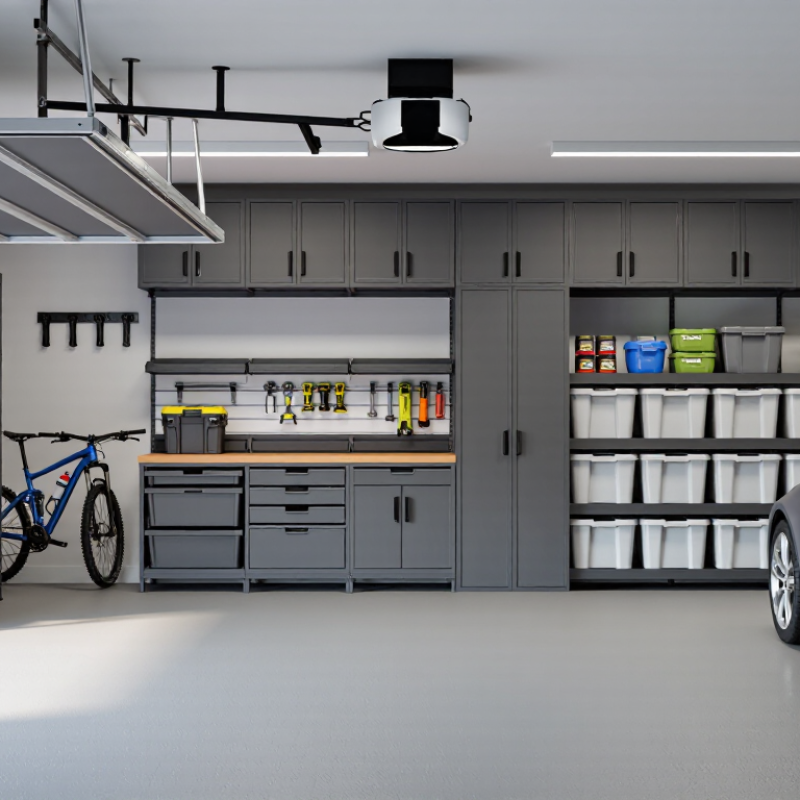
2026 Top Garage Storage Racks for Global Buyers
Garage storage racks differ by space, weight, and daily access needs. Wall-mounted racks suit narrow garages with clear masonry walls. They keep bicycles, tools, and seasonal boxes off the floor. Use certified anchors that match the wall material. Drywall alone is rarely enough for heavy loads.
Freestanding steel racks work well in rental homes or shared garages. Their adjustable shelves can hold paint cans, hand tools, and folded equipment. Choose models with levelers when floors are uneven. Mobile racks add flexibility for workshops, but their wheels need reliable brakes. Measure doorway width before ordering. It sounds obvious.
Overhead racks use unused ceiling space for luggage, camping bins, and holiday decorations. They are useful when floor storage must remain open for vehicles. Check ceiling joists, clearance, and the rack’s stated load capacity. Never place unstable containers above a vehicle or walking path. A small mistake can become expensive.
Corner racks help use awkward spaces, especially in compact urban garages. Plastic-coated or treated steel can resist humidity, but coating quality varies between suppliers. Ask for material details, load testing information, assembly instructions, and replacement hardware. I would also inspect welds and shelf edges before installation. Some racks look strong but flex under uneven loads. That detail is easy to miss. The best choice balances capacity, access, climate, and installation skill rather than relying on appearance alone.
Garage storage rack types and their best uses, compared by typical load capacity per shelf, arm, or storage level. Values are indicative industry ranges and may vary by material, dimensions, installation method, and safety rating.
Use boltless shelving for flexible household storage, pallet racks for heavy-duty goods, cantilever racks for long materials, mobile shelving for space efficiency, and overhead racks for seasonal items.
Top Garage Storage Racks for Global Buyers in 2026
When comparing garage storage racks, begin with load capacity and frame construction. A reliable specification separates evenly distributed weight from concentrated weight. Look for steel thickness, reinforced joints, and shelves that resist bending. Adjustable levels matter when storing boxes, tools, and irregular equipment. Measure your garage first. A small mistake can block a door or vehicle path.
Safety deserves close attention. Check whether the rack includes wall anchoring, levelers, and clear assembly instructions. Freestanding units need a wide, stable base. Rolling racks should have lockable casters. Test reports and traceable material information build more trust than vague strength claims. I once chose a rack by its advertised capacity, then noticed the shelves flexed under uneven loads. The number alone was not enough.
Finish quality also affects long-term value. Powder-coated surfaces can help resist scratches and everyday moisture, while sealed edges reduce rust risk. Compare shelf depth, clearance height, packaging protection, and replacement hardware availability. Global buyers should confirm metric measurements, delivery dimensions, and installation requirements before ordering. Some racks assemble quickly; others need two people and several hours. I still prefer simpler designs, although they may offer fewer adjustments. A perfect rack does not exist. Storage habits change, and unused capacity can become wasted space.
| Rack Type | Typical Overall Size | Typical Load Capacity | Primary Materials | Shelf Adjustment | Installation & Mobility | Best Use | Space Efficiency |
|---|---|---|---|---|---|---|---|
| Boltless 5-Tier Shelving Rack | 180–200 cm H × 90–120 cm W × 40–60 cm D | 150–300 kg per shelf; evenly distributed load | Powder-coated steel frame with particleboard, MDF, or steel shelves | Usually adjustable in 3–5 cm increments | Tool-free or low-tool assembly; freestanding; optional leveling feet | General household storage, tools, bins, paint cans, and seasonal items | High |
| Heavy-Duty Rivet Shelving | 180–240 cm H × 90–150 cm W × 45–75 cm D | 300–900 kg per shelf; evenly distributed load | Structural steel uprights, beams, wire decking, or thick wood decking | Adjustable beam levels; commonly 5–8 cm increments | Bolted or rivet-based assembly; normally stationary; floor anchoring recommended | Large power tools, compressors, storage totes, and workshop inventory | Very High |
| Wall-Mounted Track Shelving | 60–120 cm W × 25–45 cm D per section; height varies by wall | 45–90 kg per shelf when correctly anchored | Steel wall standards, brackets, wire or laminated shelves | Highly adjustable; shelf positions can be changed without moving the frame | Requires wall studs or suitable masonry anchors; fixed in place | Hand tools, small containers, cleaning supplies, and narrow garages | Excellent |
| Ceiling-Mounted Overhead Rack | 90–120 cm W × 180–240 cm L × 30–60 cm H | 110–270 kg per platform; evenly distributed load | Powder-coated steel frame with wire-grid platform | Usually fixed; height may be adjustable during installation | Mounted to ceiling joists or reinforced structure; not mobile | Light-to-medium seasonal items, luggage, camping gear, and empty bins | Excellent |
| Mobile Rolling Shelving Rack | 150–190 cm H × 75–120 cm W × 40–60 cm D | 100–250 kg per shelf; reduced capacity when moved while loaded | Steel frame, steel or wire shelves, locking swivel casters | Often adjustable in 2.5–5 cm increments | Tool-assisted assembly; four casters, normally two or more lockable | Shared workshops, cleaning areas, detailing stations, and flexible layouts | Medium–High |
| Modular Shelving with Storage Bins | 150–200 cm H × 90–120 cm W × 40–60 cm D | 50–150 kg per shelf; bin capacity depends on shelf design | Steel or reinforced polymer frame with plastic bins | Adjustable shelves and removable bin dividers | Freestanding; some systems support wall safety straps | Nuts, bolts, fasteners, electrical parts, and small workshop components | High |
| Corner Storage Rack | 150–200 cm H × 60–90 cm per side × 35–50 cm D | 75–200 kg per shelf; evenly distributed load | Powder-coated steel, wire mesh, or engineered wood decking | Commonly adjustable; corner clearance varies by design | Freestanding; wall anchoring improves stability | Unused corners, small garages, gardening supplies, and compact tools | Very High |
Comparison basis: typical specifications for commonly sold residential and light-commercial garage storage systems in 2026. Actual dimensions, load ratings, anchoring requirements, corrosion protection, and included accessories vary by model. Load ratings should be used only with evenly distributed weight and proper installation.
Choosing a garage storage rack starts with usable space, not the advertised maximum size. Measure wall width, ceiling height, door swing, and walking clearance. A 48-inch-wide rack with 24-inch shelves often fits household tools without blocking access. Keep heavier items between knee and shoulder height. Small details matter.
Capacity needs a calculation. Add the weight of bins, machines, liquids, and seasonal equipment. Divide the total by the number of shelves, then leave a safety margin of at least 20%. Never treat evenly distributed loading as guaranteed. A toolbox concentrated in one corner can bend a shelf quickly. The rack’s weakest shelf decides the practical limit.
Grand View Research’s 2024 warehouse racking market report estimates the global market reached about USD 10 billion in 2023. That growth reflects stronger demand for organized, higher-density storage, but garage buyers still need simpler checks.
Material choice depends on moisture, load, and maintenance. Powder-coated steel suits dry garages and resists everyday abrasion. Galvanized steel performs better in damp locations, though it may cost more. Particleboard shelves are economical, but moisture can swell their edges.
ANSI/RMI MH16.1 and EN 15635 emphasize proper installation, inspection, and protection against instability. Anchor tall racks to suitable masonry or framing. Check bolts after loading.
A tempting assumption is that thicker steel always means safer storage; it does not. Poor welds, weak anchors, or an uneven concrete floor can defeat excellent material. Inspect the corners, feet, and shelf joints every few months.
2026 Top Garage Storage Racks for Global Buyers?
For global buyers, safety starts with verified load data, not attractive steel. A rack rated for 500 kilograms may require evenly distributed weight across every shelf. Concentrated toolboxes can bend beams or overload connectors. The U.S. Consumer Product Safety Commission has reported about 22,000 annual emergency-department injuries from furniture tip-overs in recent three-year estimates. These figures cover furniture broadly, not garage racks, but they expose a familiar risk: unstable storage can injure quickly. Anchor frames to suitable concrete, inspect wall strength, and keep heavy equipment below shoulder height.
Installation conditions vary sharply between markets. EN 15635 supports regular inspection and documented maintenance for steel storage systems. ANSI MH16.1 addresses industrial steel rack design and performance. FEMA E-74 also identifies unanchored storage racks as earthquake hazards. Buyers should check slab thickness, anchor type, seismic exposure, corrosion, and local electrical clearances. A rack designed for dry indoor use may fail in a humid coastal garage. Galvanized surfaces help, but they do not replace drainage or inspection.
Compatibility needs physical measurement. Record ceiling height, door clearance, shelf depth, vehicle movement, and sprinkler locations before ordering. Compare beam spacing with actual bins, tires, and power tools. Metric and imperial dimensions can create small but costly mismatches. Installation manuals sometimes assume perfect floors. Real garages rarely provide them. Recheck level, torque, and anchor engagement after loading, then inspect loosened joints every few months. A cautious buyer may lose a little capacity, but gains usable safety.
Garage storage racks serve different jobs, so global buyers should match the rack to real household conditions. A family storing boxes, bicycles, and seasonal tools needs adjustable shelves and generous depth. A workshop may need stronger beams, higher load capacity, and open access from both sides. Measure the available wall, ceiling height, doorway, and turning space before comparing prices.
Material choice matters in humid coastal regions. Powder-coated steel can resist everyday wear, while galvanized surfaces may suit damp storage areas better. Check the stated load rating for each shelf, not only the total rack capacity. Uneven floors can make a tall unit unstable, so adjustable feet or wall anchoring points are practical features. I have seen buyers focus on maximum capacity and overlook floor strength. That mistake can create costly problems.
Assembly design also affects value. Clear instructions, numbered parts, and common fasteners reduce installation time across different markets. Buyers should check whether tools, safety braces, and replacement components are available locally. For narrow garages, vertical storage saves space, but shelves must remain reachable without unsafe climbing. Families may prefer rounded edges and smooth surfaces around children. Businesses may prioritize rapid access and easy cleaning. Price still matters, yet a cheaper rack with fixed shelves can waste space later. I once selected a strong unit that was too deep for the walkway. It worked, but not well. Rechecking movement paths would have been wiser.